
Ultimate Guide to Garage Floor Coating: Durable & Stylish Solutions
Want to protect and upgrade your garage floor? This guide covers garage floor coating options like epoxy and polyaspartic, their benefits, and how to choose the right one for you.
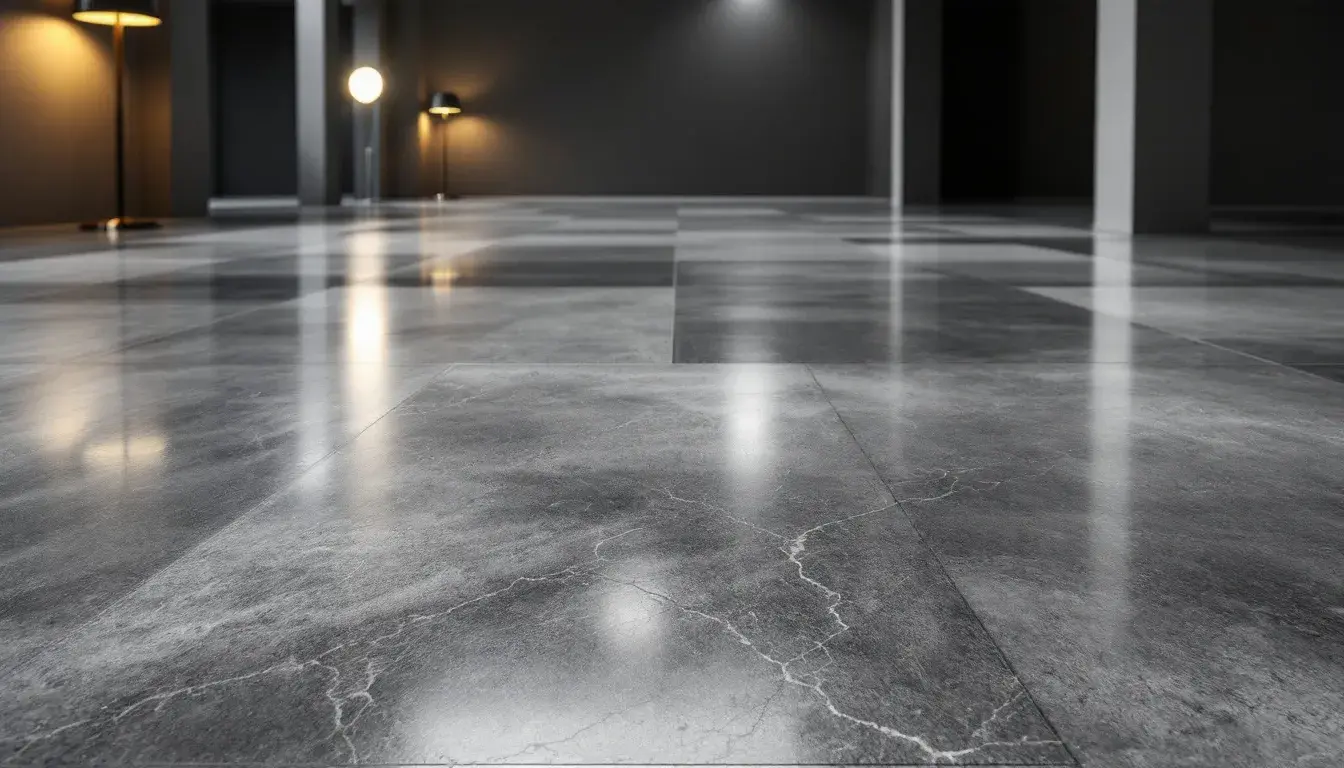
Exploring Garage Floor Coating Options
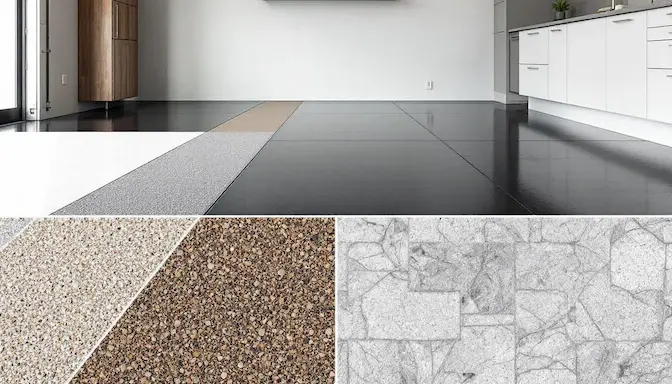
When it comes to garage flooring, the options are plentiful, each offering unique benefits and aesthetic appeal possibilities. The main types of garage floor coatings include epoxy coatings, polyaspartic coatings, and various alternatives like urethane-based products and traditional garage floor paint. The garage floor coating market has expanded to include innovative options like aluminum-based urethanes and metallic epoxy flooring.
Epoxy coatings are highly favored for their strength and affordability. Available in a wide range of colors and textures, many systems can be customized to achieve the desired look and functionality. Epoxy floor coatings can transform a drab concrete floor into a vibrant, durable surface. On the other hand, urethane-based products, such as polyurea garage floor coatings, often outperform epoxy in residential settings due to their flexibility and resistance to wear and tear.
For those looking for a budget-friendly alternative to traditional garage floor paint, products like AWF water-based epoxy and TruAlloy provide reasonable options. Several reputable brands, such as TruAlloy, Rust Bullet, All Weather Floors (AWF), and TrueLock, are available in the market. These coatings are easier to apply and still offer good protection and aesthetic appeal. Traditional garage floor paints are often thin and less durable compared to other options.
When selecting an epoxy kit or alternative, it is important to choose the right material for your project. Certain modifications, such as increased slip resistance, can be added if desired.
Understanding these options helps in appreciating the specific benefits of epoxy floor coatings.
The Importance of a Durable Garage Floor
A durable garage floor is the foundation of a functional and attractive garage. Whether you use your garage for parking vehicles, tackling DIY projects, or storing equipment, the right floor coating can make all the difference. Epoxy floor coatings are especially valued for their exceptional durability, standing up to the daily wear and tear from vehicle traffic, light foot traffic, and heavy equipment. These coatings form a tough barrier that protects your concrete floor from oil stains, chemicals, and other damaging substances, ensuring your garage surface remains clean and professional finish-looking.
Investing in a high-quality floor coating not only shields your garage floor from cracks, stains, and abrasions but also enhances the overall aesthetic appeal of your space. A well-coated floor delivers a professional finish that elevates the look of your garage, making it a more inviting and organized area for any project. With the right floor coating, you can enjoy a garage that’s both durable and stylish, providing long-lasting protection and value for your house.
Benefits of Epoxy Floor Coatings for Garages
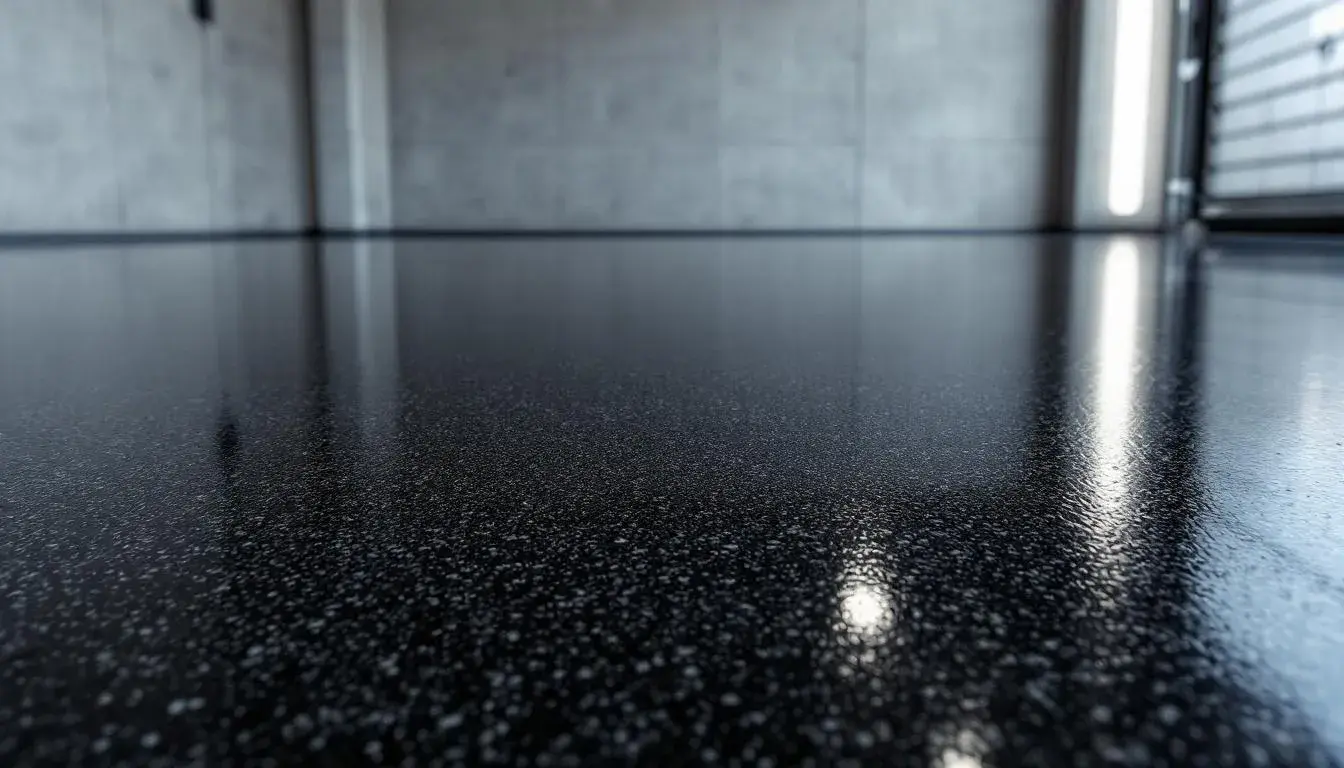
Epoxy floor coatings are renowned for their exceptional durability, making them ideal for high-traffic areas like garages. Key benefits include:
-
Long-lasting performance: A well-applied epoxy coating can last indefinitely with proper maintenance, ensuring your garage floor remains in top condition for years.
-
Enhanced aesthetic appeal: They offer a variety of colors and finishes.
-
Decorative options: You can add decorative color chips that hide imperfections and add visual interest.
Safety is another significant advantage of epoxy floor coatings. Key benefits include:
-
Textured aggregates in the epoxy mixture reduce slip and fall risks, enhancing garage safety.
-
Epoxy coatings provide robust protection against various substances such as salt, oil stains, and gas.
-
This protection ensures your garage floor remains unblemished and easy to clean.
The benefits of epoxy coatings extend beyond just durability and aesthetics. These coatings offer a comprehensive solution that includes protection, safety, and long-lasting appeal, making them a popular choice for many homeowners.
Polyaspartic floor coatings offer a modern alternative to traditional epoxy.
Polyaspartic Floor Coatings: The Modern Alternative
Polyaspartic floor coatings have emerged as a modern alternative to traditional epoxy coatings, offering several unique advantages. One of the standout features of polyaspartic coatings is their quick curing time, allowing for installation in just one day. This rapid curing process makes them an excellent choice for homeowners looking to minimize downtime.
Polyaspartic floor coatings offer several advantages:
-
Speedy application
-
Exceptional resistance to moisture and chemicals, making them durable for any garage
-
Can be applied in a single layer, providing a seamless and protective surface that guards against spills and stains
-
Colorfast nature ensures the garage floor maintains its vibrant appearance over time, even when exposed to UV rays
These features make polyaspartic coatings ideal for a modern, durable, and attractive garage floor. Achieving the best results with any coating, however, demands proper existing concrete preparation.
Concrete Preparation: Key to Successful Garage Floor Coating
Properly preparing the concrete floor ensures a durable and visually appealing epoxy coating. First, assess the condition of the concrete floor for cracks, moisture issues, and contaminants. It is crucial to properly prepare the concrete slab, as the slab serves as the foundational surface that directly impacts the quality and longevity of the epoxy finish. Any grease or oil present on the surface must be thoroughly removed to ensure proper adhesion of the epoxy.
To prepare a floor for epoxy application:
-
Repair cracks and imperfections with a suitable patching compound to create a smooth surface.
-
Meticulously clean the floor to remove dust and debris after repairs.
-
Test for moisture, as lingering moisture can affect epoxy adhesion.
Once clean and dry, applying a primer enhances adhesion and provides a uniform finish. Each coat of epoxy should dry according to the manufacturer’s instructions before adding more layers. Properly prepared concrete sets the stage for considering a DIY garage floor coating project.
Garage Floor Coating and Safety
Safety is a top priority in any garage, and the right garage floor coating can play a crucial role in creating a safer environment. Epoxy coatings are designed to provide a textured, slip-resistant surface, which helps reduce the risk of slips and falls—especially important in areas exposed to oil spills, water, or other chemicals. This added traction is essential for protecting both your family and your vehicles from potential accidents.
Beyond slip-resistance, a durable floor coating also acts as a protective shield against stains and chemical spills. Epoxy coatings make it easy to clean up messes before they become hazards, keeping your garage surface safe and well-maintained. When selecting a garage floor coating, look for options that offer both chemical resistance and easy maintenance, so your garage remains a clean, protected, and safe space for everyone.
Epoxy Floor Coating and Environmental Impact
As more homeowners seek sustainable solutions, the environmental impact of garage floor coatings has become an important consideration. Many modern epoxy floor coatings are formulated with non-toxic, eco-friendly materials, making them a suitable choice for those who want to minimize their environmental footprint. Choosing an epoxy coating that is low in volatile organic compounds (VOCs) and free from harmful chemicals helps protect both your indoor air quality and the environment.
Additionally, the exceptional durability of epoxy coatings means fewer repairs and replacements over time, reducing waste and resource consumption. By selecting a high-quality, eco-friendly epoxy floor coating, you can enjoy a durable, professional finish-looking garage floor while supporting your commitment to sustainability.
Polyaspartic Floor Coating and Indoor Air Quality
Polyaspartic floor coatings are gaining popularity as a modern alternative to traditional epoxy coatings, not only for their exceptional durability but also for their positive impact on indoor air quality. These coatings are formulated with low VOCs and non-toxic materials, making them a suitable choice for homeowners concerned about air quality in their garage and throughout the house.
In addition to being safe for indoor environments, polyaspartic floor coatings are highly resistant to moisture and chemicals. This resistance helps prevent the growth of mold and mildew, further supporting a healthy indoor atmosphere. By choosing a polyaspartic floor coating, you can achieve a durable, long-lasting garage floor that contributes to a cleaner, safer, and more comfortable house environment.
Garage Floor Coating and Local Regulations
Before starting any garage floor coating project, it’s important to be aware of local regulations and building codes that may affect your choices. Some areas require specific features in garage floor coatings, such as slip-resistance or fire-resistance, to ensure safety and compliance. Environmental and health standards may also dictate the types of coatings that are suitable for use in your region.
To avoid any issues, check with your local authorities or building department for guidance on approved floor coatings and any necessary permits or inspections. Consulting with a professional coating company or local business can also provide valuable support, helping you select the best and most durable solution for your garage floor. By following local regulations and seeking expert advice, you can ensure your garage floor coating project is completed safely, legally, and to the highest standard.
DIY Garage Floor Coating Projects
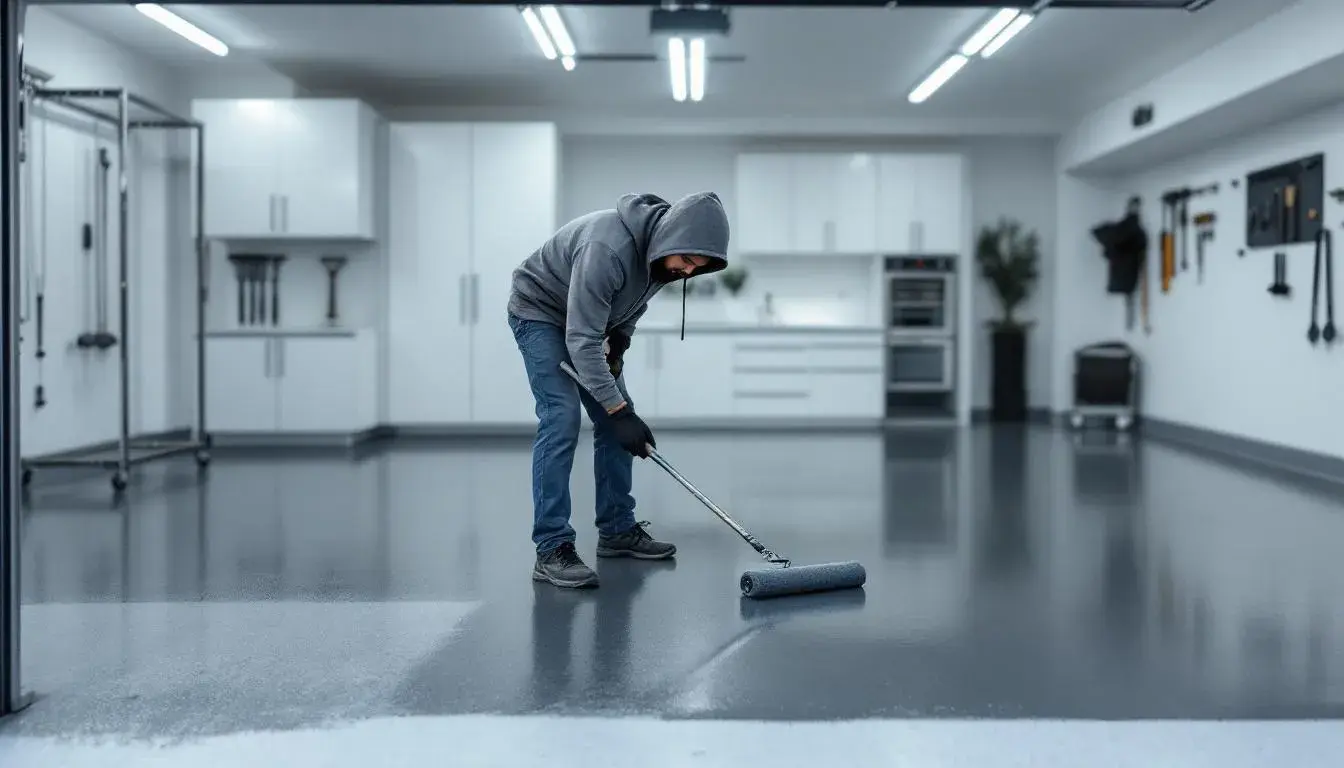
A DIY garage floor coating project offers a rewarding and cost-effective upgrade for your garage. Garage floor coverings like interlocking floor tiles offer quick installation, are budget-friendly, and have a low failure rate, making them a popular choice for DIY project enthusiasts. These tiles also provide easy and quick access to the garage floor. Epoxy coating kits, like the Gorilla Garage Floor Coating Kit, include essential materials such as Part A Epoxy Resin, Part B Epoxy Hardener, rollers, and often come with mixing buckets for a hassle-free application process.
A typical DIY garage floor coating project usually takes about 2 days, sometimes extending to 3 days. Working within the recommended temperature range of 50°F to 90°F ensures the best results. Thoroughly mixing the epoxy components prevents performance issues in the coating. It is typically safe to walk on the coated floor after 10 to 12 hours, depending on the product instructions.
Using a primer is always recommended to ensure better adhesion of the epoxy to the concrete. Though fulfilling, DIY projects should be weighed against the benefits of professional installation. Primers can enhance the overall effectiveness of this process.
Professional Installation vs. DIY: What’s Best for You?
Choosing between a DIY project and professional installation for your garage floor coating depends on various factors, including budget, skill level, and long-term maintenance considerations. Professional installation offers several advantages, such as the use of advanced equipment and materials, resulting in a more durable and polished finish. Additionally, professional services often come with warranties, providing long-term assurance for homeowners.
Customer experiences highlight the benefits of professional installation by the company, including:
-
Efficiency and cleanliness of the staff after completing projects
-
Excellent communication
-
Willingness of the service team to take on challenging projects and install the perfect solution effectively for the business, ensuring a professional finish.
While DIY epoxy flooring is an economical choice, it requires a certain level of skill to ensure a high-quality outcome. Errors in application can lead to higher repair expenses later, so it’s essential to consider whether the savings in labor costs are worth the potential risks.
With your newly coated garage floor, maintenance becomes the next critical job.
Get top tips for painting on concrete floor to achieve the best results.
Maintaining Your Coated Garage Floor
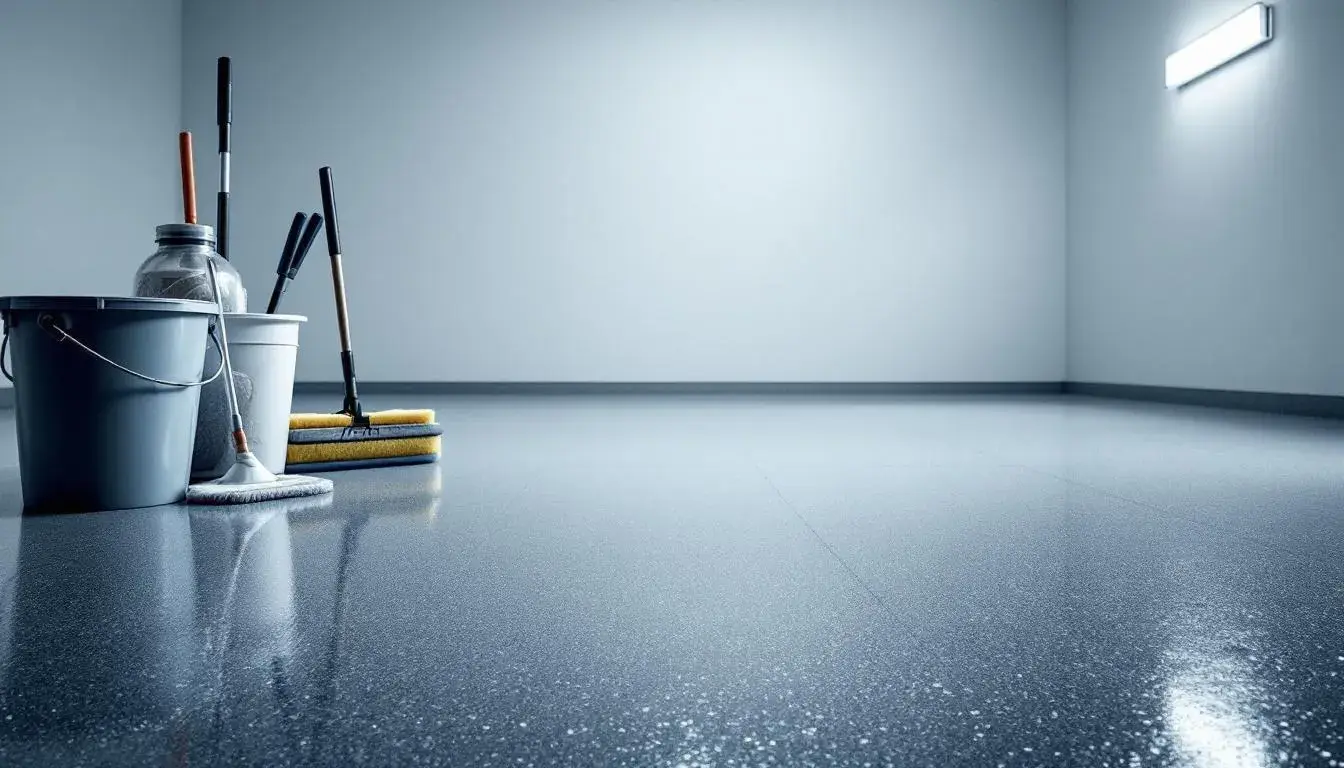
Maintaining your coated garage floor keeps it looking great and extends its lifespan. Regular sweeping or vacuuming prevents dirt and debris from scratching the finish. Mats at entry points and workstations protect the epoxy floor from wear and tear.
To maintain optimal cleanliness of the floor:
-
Wash the floor every three to four months.
-
Clean up spills immediately to prevent potential staining or damage to the epoxy coating.
-
Avoid cleaners with citrus or acidic components to prevent dulling the floor’s surface sheen.
Power washing should be done with caution. Keep the hose nozzle at a distance to avoid damaging the coating. Following these maintenance tips ensures your garage floor remains durable and visually appealing for years, free from oil stains.
Now, let’s examine the cost considerations for garage floor coatings.
Cost Considerations for Garage Floor Coatings
The cost of garage floor coatings can vary significantly based on several factors:
-
The average cost for epoxy flooring typically ranges from $8 to $12 per square foot.
-
For a full garage installation, the cost can range between $2500 and $5500, depending on the garage size.
-
For instance, epoxy flooring for a double car garage in Edmonton costs around $2550 for 425 square feet.
Several factors affect the overall price, including:
-
The type of epoxy coating used
-
Labor costs, which are generally fixed and primarily based on the size of the area being coated
-
Additional expenses for site preparation, such as cleaning and filling cracks
-
Potential costs to replace damaged coatings or materials if the original options are unsuitable or have failed
Investing in epoxy flooring can enhance property value, making it appealing to potential buyers. While mortar epoxy is considered the most durable option, it is generally priced at a premium. With costs in mind, it’s also important to be aware of common issues and their solutions in garage floor coating.
Common Issues and Solutions in Garage Floor Coating
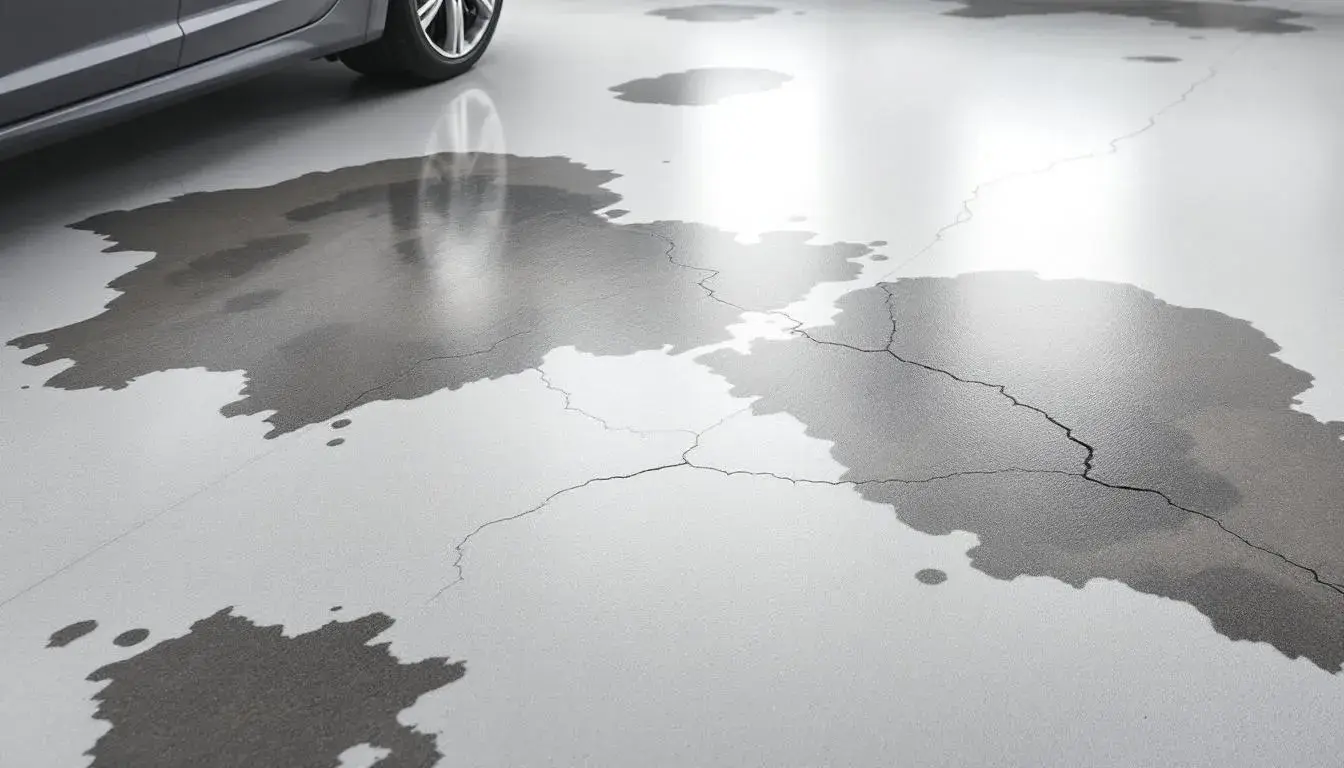
Common problems encountered during the garage floor coating process include:
-
Hot tire pickup: occurs when high temperatures cause the epoxy to lift, usually due to poor floor preparation.
-
Bubbling
-
Poor adhesion
-
Fading due to UV exposure
Ensuring proper preparation and adhesion of the epoxy can absolutely assist in avoiding such issues.
The flexible nature of polyaspartic flooring helps prevent common issues like chipping and scratching associated with epoxy coatings. To avoid bubbling and blistering, it’s critical to mix the epoxy correctly and ensure the concrete temperature is suitable.
By addressing these common issues, you can ensure a long-lasting and durable finish for your garage floor to support your contact needs. Let’s hear from customers who have experienced these transformations first-hand.
Customer Testimonials and Reviews
Customers express a high level of satisfaction with their garage flooring experiences. Many customers would rate PowerCOAT Canada as 11 stars out of 10, highlighting their exceptional service and results. Terry from PowerCOAT Canada was particularly noted for being helpful and ensuring readiness at each step of the process.
Several customers emphasized the transformative results of their garage floor renovations, noting the significant improvement in aesthetic style. The ability to withstand light foot traffic and vehicle traffic while maintaining aesthetic appeal has made these coatings a favorite among homeowners, preventing any stain.
These testimonials provide social proof of the benefits and satisfaction that come with a complete well-coated garage floor or a professionally repaired basement concrete floor. Now, let’s summarize the key points of this guide.
Summary
In summary, choosing the right garage floor coating involves understanding the different options available, such as epoxy and polyaspartic coatings. Each offers unique benefits, from exceptional durability to quick curing times. Proper concrete preparation is crucial for a successful application, whether you’re undertaking a DIY project or opting for professional installation.
Maintaining your coated garage floor ensures it remains in pristine condition, adding value and aesthetic appeal to your property. Considering the costs and being aware of common issues can help you make an informed decision. Ultimately, a well-coated garage floor is a sound investment that enhances both functionality and beauty.
For additional information on application instructions or technical specifications, consult the product manuals, reach out to customer support, or visit the company website for detailed guidance.
Frequently Asked Questions
What are the main types of garage floor coatings?
The main types of garage floor coatings are epoxy coatings, polyaspartic coatings, and alternatives such as urethane-based products and traditional garage floor paints. Choosing the right coating depends on your specific needs and preferences for durability and aesthetics.
How long does it take to complete a DIY garage floor coating project?
A DIY garage floor coating project usually takes about 2 to 3 days to complete. This timeframe allows for proper preparation, application, and curing of the coating.
What are the benefits of epoxy floor coatings?
Epoxy floor coatings provide outstanding durability and aesthetic appeal while offering protection against substances like salt, oil, and gas, making them an excellent choice for various environments. Their safety and surface resilience further enhance their value.
How much does epoxy flooring cost on average?
Epoxy flooring generally costs between $8 and $12 per square foot, with complete garage installations ranging from $2,500 to $5,500 based on the garage size. This investment can enhance both aesthetics and durability in your space.
How can I maintain my coated garage floor?
To maintain your coated garage floor, regularly sweep or vacuum, use mats, wash the floor every three to four months, and promptly clean up any spills. These **steps** will help keep your **floor** in excellent condition.

Have questions?
Get in touch — we are happy to help and answer any question.
Keep reading
Related posts
 Floor Coating
Top Benefits of Epoxy Basement Floor Coating
Explore top basement floor coating options that combine durability and style. Find the perfect fit for your space—read the article for expert insights!
Read more Guides
Parging: Why It Cracks and Falls Off — and How to Fix It for Good
Parging protects the exposed top of your foundation, but freeze-thaw cycles make cheap coats crack and fall off. Here is why it fails, when to repair…
Read more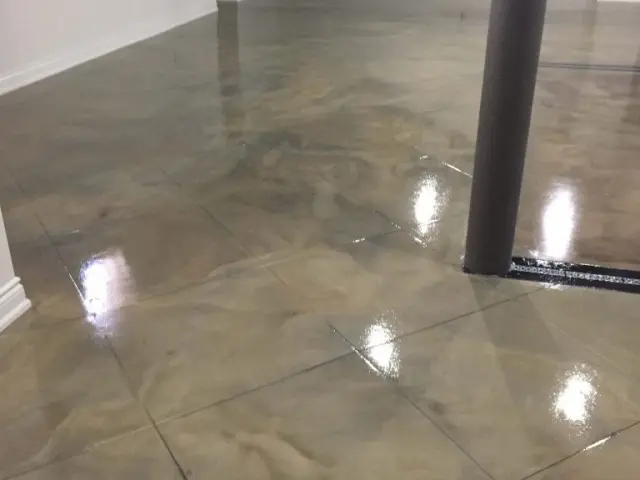 Guides
Basement Waterproofing Cost Guide for Toronto & the GTA
What really drives basement waterproofing cost in Toronto and the GTA: interior vs exterior systems, wall length, access, drainage and crack injection, plus how to compare…
Read more