
Top Sealant for Concrete: Enhance and Protect Your Surfaces
Wondering which sealant for concrete is best for your surfaces? This guide will help you choose the right product and show you how to apply it to protect and enhance your concrete effectively.
Understanding Concrete Sealers
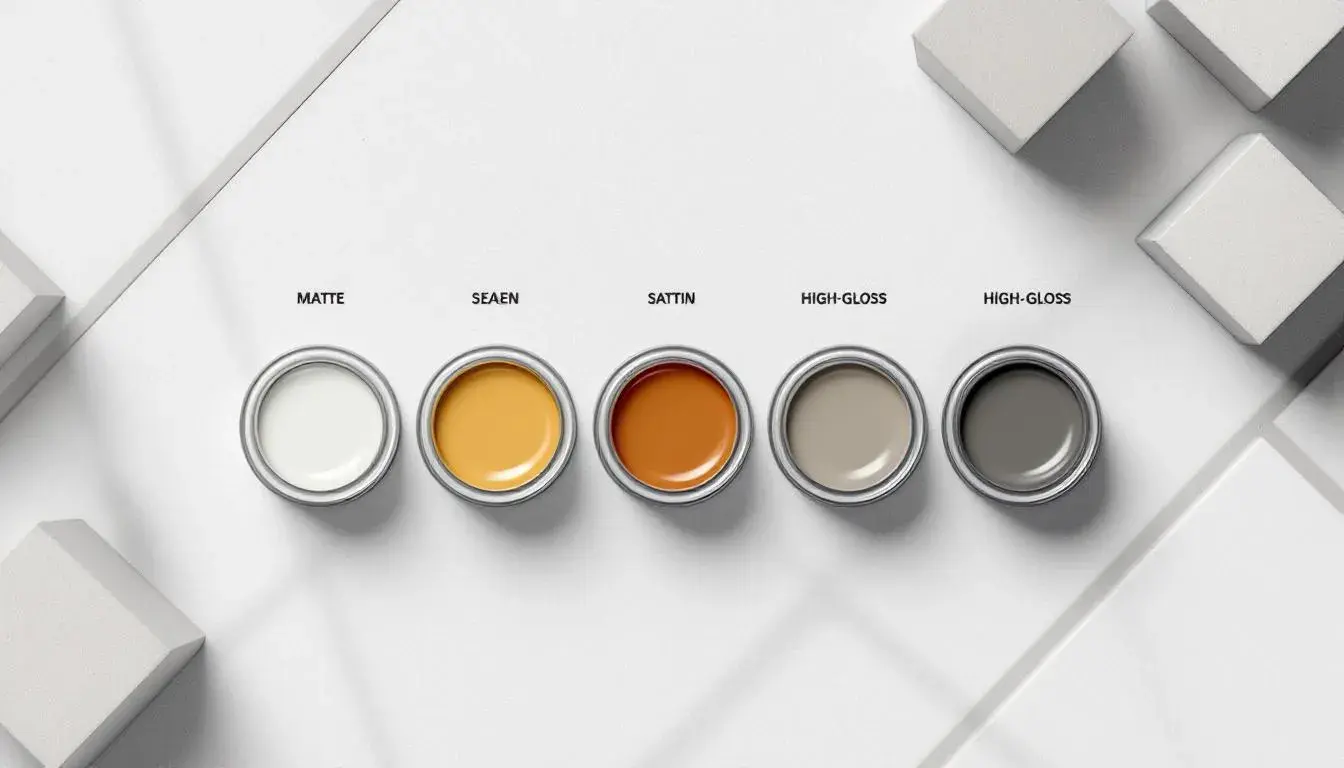
Concrete sealers protect, enhance, and prolong the life of concrete surfaces.
They act as a protective coating against stains, moisture, and wear, ensuring
that concrete remains in pristine condition for years. But what exactly are
concrete sealers, and why are they so important?
Concrete sealers fall into two primary categories and other types. These are
Film-Forming sealers and Penetrating sealers. Film-Forming sealers, including
acrylic sealer, epoxy, and polyurethane varieties, create a protective coating on
the surface, enhancing appearance and offering a high gloss finish. On the other
hand, Penetrating sealers, such as silane and siloxane, absorb into the
concrete, providing protection without altering its appearance.
Different manufacturers offer a range of sealers with varying features such as
breathability, compatibility with old or new concrete, and volatile organic compounds compliance,
helping consumers make informed choices.
Each type of sealer offers unique benefits. Film-Forming sealers are excellent
for adding a shiny, polished look to concrete surfaces, making them ideal for
interior use where aesthetics are crucial. Conversely, Penetrating sealers are
perfect for exterior applications where maintaining the natural look of
concrete is desired. These sealers are particularly good at protecting
concrete from moisture penetration and freeze-thaw cycles, which can cause
significant damage over time.
Types of Concrete Sealers
Concrete sealers can be mainly divided into Film-Forming and Penetrating
sealers. Film-Forming sealers, which include acrylic, epoxy, and polyurethane
sealers, create a protective coating on the surface of the concrete. This layer
not only enhances the appearance by adding a high gloss finish but also protects
the concrete from stains and wear. Acrylic sealers are popular for their
affordability and ease of applying sealer, while epoxy and polyurethane sealers
are known for their durableity and resistance to chemicals.
Penetrating sealers, such as silane and siloxane, provide a different kind of
protection. Instead of forming a film on the surface, they penetrate into the
concrete, making the surface less porous and more resistant to moisture and other
contaminants. This type of sealer is particularly useful for exterior applications,
where preserving the natural look of concrete is often desired.
Penetrating sealers are excellent for driveways, patios, walkways, and other
exposed aggregate surfaces, offering long-lasting protection without altering
the appearance of the concrete.
Benefits of Using Concrete Sealers
The benefits of using concrete sealers are manifold. One of the primary
advantages is the protection they offer against stains and harsh substances.
Sealers create a barrier on the concrete surface, preventing:
-
chemicals
-
oils
-
contaminants from causing damage. This is particularly important in areas
prone to spills and heavy use, such as basements, and industrial
floors.
In addition to protection, concrete sealers offer several benefits:
-
Enhance the aesthetic appeal of surfaces by improving the color and
finish, giving a polished, professional look. -
Prevent moisture penetration, reducing the risk of damage from freeze-thaw
cycles. -
Help avoid cracks and spalling caused by freeze-thaw damage.
Selecting the appropriate concrete sealer is a great choice that extends the
service life of your surfaces, keeping them durable and attractive for years.
Concrete Floor Protection
Concrete floor protection is a crucial step in preserving the durableity and
visual appeal of your concrete surfaces. Whether you’re working with new concrete,
exposed aggregate, or a previously sealed floor, applying sealer with the right
concrete floor sealer can make all the difference in preventing moisture problems,
stains, and damage from deicing salts or everyday wear.
A quality concrete floor sealer acts as a protective coating, shielding your
floors from chemicals, dirt, grease, and other contaminants that can cause
long-term damage. Acrylic sealers and penetrating sealers are two popular
options—acrylic sealer is often chosen for its ease of application and ability
to deliver a high gloss or low sheen finish, while penetrating sealers are
valued for their ability to protect without altering the natural look of the
concrete.
When selecting a sealer, consider the specific needs of your project. For
outdoor use and exterior applications, solvent based sealers are a great choice,
offering enhanced durableity and a high gloss finish that stands up to the
elements. For interior projects, water based sealers are preferred due to
their lower volatile organic compounds (VOCs), making them safer for enclosed
spaces and reducing environmental impact.
Before applying sealer, it’s essential to thoroughly clean the concrete surface.
Remove any dirt, grease, or remnants of existing sealer using a degreaser or
chemical strippers to ensure the new sealer adheres properly.
This step is especially important for DIY projects, as a clean surface helps
prevent bubbles and ensures a smooth, even finish.
For best results, apply sealer in thin coats, allowing each coat to dry
completely before applying the next. Most sealers require a second coat to
achieve optimal protection and appearance, but dry time can vary depending on
the type of sealer and environmental conditions. Always follow the
manufacturer’s instructions for application and drying times.
To determine the right sealer for your concrete floor, think about the level
of protection you need, the desired finish—whether matte, low sheen, or high gloss—and the type of surface you’re working with, such as exposed aggregate,
new concrete, or a previously sealed floor.
Regular maintenance is key to extending the life of your sealed concrete floors.
Routine cleaning and timely reapplication of sealer will help keep
your floors looking their best and protected from stains, moisture, and daily
wear. By choosing the right concrete floor sealer and following proper
application techniques, you can ensure your concrete surfaces remain durable,
attractive, and easy to maintain for years to come.
Choosing the Right Concrete Sealer for Your Project
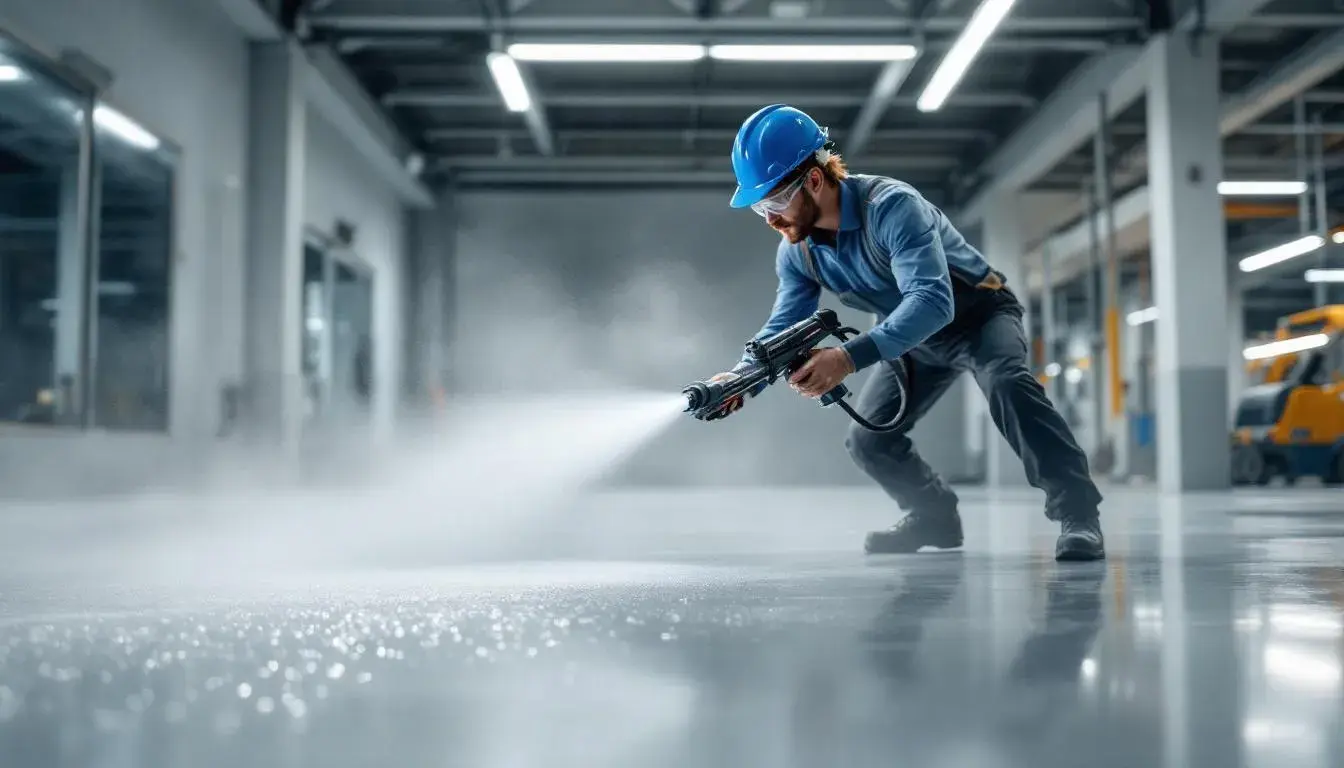
Choosing the right concrete sealer for your project can make a significant
difference in the longevity and appearance of the surface. Concrete sealers
serve as protective coatings that enhance the durableity and lifespan of
concrete surfaces. When selecting a sealer, consider factors such as the
environment in which it will be applied and the specific requirements of the
surface. For instance, interior applications may benefit more from
water based sealers due to their low volatile organic compounds emissions, while
outdoor surfaces might require more robust, penetrating sealers. Some sealers are
designed to be applied to wet surfaces or in wet conditions, which can be important
for certain projects or climates.
Safety is another critical consideration. Concrete sealers can emit harmful
fumes that may lead to respiratory issues, so it’s essential to ensure proper
ventilation during application. Additionally, keeping pets and children away
from the area where sealers are being applied is crucial to avoid exposure to
potentially hazardous chemicals.
The typically coverage for concrete sealers ranges from 250 to 300 square feet
per gallon, depending on the porosity of the surface, so plan accordingly to
ensure complete and even coverage.
Indoor vs. Outdoor Use
The choice between interior and outdoor use of concrete sealers significantly
impacts the type of sealer you should select. For interior applications,
consider the following:
-
Water based sealers: Highly recommended due to their low volatile organic compounds
emissions, making them safer for enclosed spaces. -
Epoxy sealers: Commonly used for interior flooring, providing a durable and
attractive finish. -
Acrylic sealers: Also commonly used for interior flooring, offering
durableity and an attractive finish. A concrete floor sealer can also be a
great choice for certain interior applications.
In contrast, penetrating sealers are generally preferred for outdoor use
because they last longer and prevent peeling, making them ideal for driveways,
patios, and most sealers for exterior applications. Breathable sealers
designed for outdoor use allow air to pass through the concrete, which helps
prevent trapped moisture and reduces the risk of damage such as freezing,
cracks, and surface deterioration.
High Gloss vs. Low Sheen Finishes
The finish of a concrete sealer can significantly affect the aesthetic appeal
of the surface. High gloss finishes offer a glossy look that enhances the
surface’s color and creates a reflective appearance, contributing to a
visually striking aesthetic. While these finishes are often associated with a
thick coat of sealer, applying a thick coat can lead to problems such as
bubbles and blisters. For best results, it is recommended to apply multiple
thin coats instead of a single thick coat.
On the other hand, low sheen finishes provide a subtler, matte appearance,
which can be more suitable for certain applications. Both high gloss and
low sheen finishes not only enhance appearance but also contribute to the
longevity of the concrete surfaces, which can vary depending on the specific
conditions of use.
Preparing Concrete Surfaces for Sealing
Proper preparation of concrete surfaces is crucial for the successful
application of a sealer. This step ensures that the sealer adheres well and
performs optimally. Proper preparation also ensures that the sealer will
adhere effectively to the concrete, providing long-lasting protection.
Neglecting surface preparation can lead to issues such as bubbles, peeling,
and flaking, which compromise the effectiveness of the sealer. One common
problem is applying sealer on wet concrete, which can cause bonding issues
and lead to sealant failure. Therefore, ensuring that the concrete is
thoroughly dry before application is essential.
Another critical aspect is cleaning the surface to remove any contaminants
that might interfere with the sealer’s adhesion. These contaminants include:
-
Dirt
-
Oil
-
Grease
-
Other substances that could prevent the sealer from forming a strong bond
with the concrete
Proper surface preparation not only enhances the performance of the sealer but
also extends the life of the concrete surface, making it more
durable and resistant to wear.
Cleaning Methods
Cleaning concrete surfaces before sealing is crucial to ensure optimal
adhesion and effectiveness of the sealer. Different types of cleaners should
be used based on the specific stains present on the concrete. For instance,
a degreaser is particularly effective for removing oil and grease, while other
specific cleaners can target different types of stains.
It’s essential to remove all contaminants from the surface before sealing to
ensure the durableity and longevity of the sealant. This step is vital in
preventing future issues such as peeling or flaking.
Repairing Cracks and Damage
Before applying any sealant, it’s crucial to repair cracks and imperfections
in the concrete. Significant cracks should be filled with a concrete crack
sealer to ensure a smooth surface for sealant application. This step is
essential for achieving a durable and effective seal, as untreated cracks can
compromise the integrity of the sealer and lead to further damage.
Addressing these issues beforehand ensures the sealer provides
maximum protection and longevity for your concrete surfaces.
Applying Concrete Sealers: Step-by-Step Guide
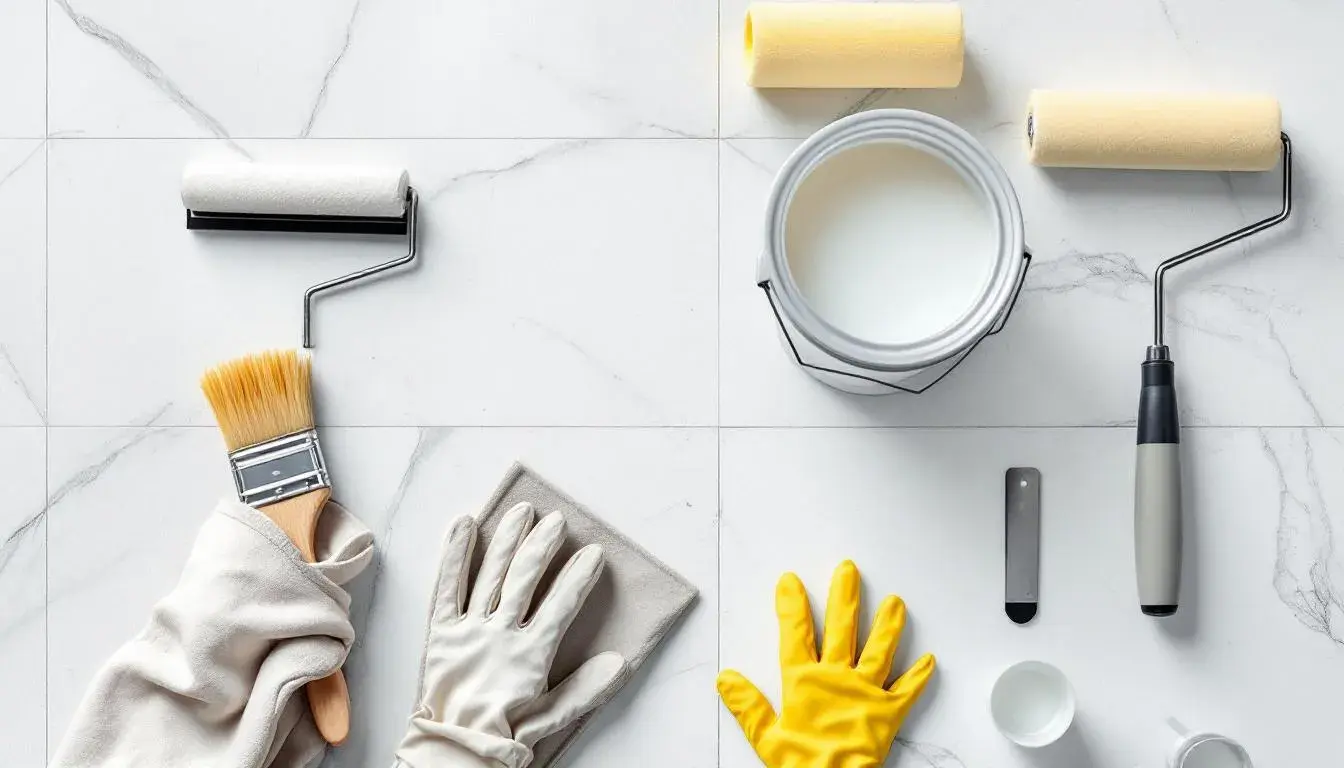
Applying concrete sealers is a process that requires careful attention to
detail and adherence to manufacturer guidelines. Essential tools for this task
include rollers, a sprayer, and equipment. Using the correct applicator
tools is crucial for achieving the optimal thickness of the sealer. The
process typically involves applying sealer in two thin coats, with the
second coat applied at a perpendicular angle to the first coat to ensure even
coverage and prevent issues such as peeling.
Following proper application techniques is vital for the success of the
sealing project. Recommendations include:
-
Use thin coats to avoid bubbles.
-
Ensure complete drying between coats.
-
For a stamped concrete driveways, use a combination of spraying and rolling
methods.
The final step involves allowing the sealer to dry completely before exposing
the surface to foot traffic or placing any furniture back on it. Following
these steps results in a durable and aesthetically pleasing finish for your
concrete surfaces.
Tools and Equipment Needed
Using the right tools and equipment is crucial for the successful application
of concrete sealers. Essential tools include:
-
Sprayers, which are particularly effective for applying sealers evenly
-
Rollers, which help achieve the correct thickness
-
Paint trays
-
Protective gear such as gloves, masks, and safety glasses
Having adequate tools on hand allows for a smooth application process without
interruptions, ensuring that the sealer is applied correctly and efficiently
in this DIY project.
Application Techniques
Proper application techniques are key to achieving a durable and effective
seal. Recommended steps and tools include:
-
Apply two thin coats of sealer, with the second coat applied at a
perpendicular angle to the first coat to ensure even coverage and prevent
peeling. -
Use a roller and paint tray for applying sealer to the floor.
-
Cut in the floor by applying sealant around the edges to establish the
borders of the project.
To further enhance the sealing process, it’s important to check the
manufacturer’s instructions for specific guidelines on dry times and recoat
intervals. For exterior applications, a combination of spraying and rolling
methods may be used to achieve the best results. By following these
techniques, you can ensure that the sealer adheres properly and provides
long-lasting protection for your concrete surfaces, including a protective coating for
added durableity.
Dry Time and Curing
Proper dry time and curing times are essential for the success of a concrete
sealing project. Key points to consider include:
-
Sealants generally need to dry completely before being exposed to foot
traffic or having furniture placed on them. -
Some sealers require up to three days to cure fully.
-
It’s important to follow the manufacturer’s guidelines for dry times
between coats and before using the sealed surface.
This step ensures that you apply sealer to form a durable and effective
barrier, protecting the new concrete with a protective coating from moisture
and other potential damage.
Maintaining Sealed Concrete Surfaces
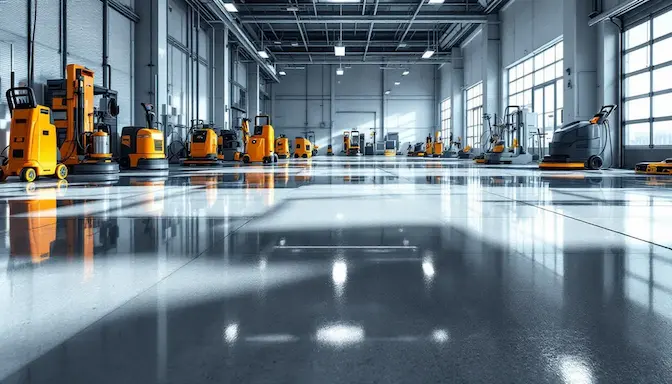
Maintaining sealed concrete surfaces is essential for preserving their
aesthetic and durableity. Regular maintenance helps prolong the life of sealed
concrete surfaces and maintain their appearance. This involves routine
cleaning and care, as well as periodic resealing to restore the protective
qualities of the sealer. By taking these steps, you can ensure that your
concrete surfaces remain in excellent condition for years to come.
In addition to regular cleaning, it’s important to monitor the condition of
the sealer and address any issues that arise, such as peeling or flaking.
Promptly addressing these problems can prevent further damage and extend the
life of the sealer. Maintaining your sealed concrete surfaces extends their
benefits and keeps them looking their best.
Cleaning and Care
Proper cleaning and care are vital for maintaining sealed concrete surfaces. A
mild degreaser mixed with water is recommended for mopping sealed concrete
surfaces, as it effectively cleans without damaging the sealer. Using mild,
non-abrasive cleaners specifically designed for sealed surfaces can prevent
scratches and maintain the sealer’s integrity.
To maintain sealed concrete effectively:
-
Routinely sweep or vacuum to prevent dirt accumulation and protect the
seal from abrasions. -
Promptly address spills to prevent them from penetrating the seal and
causing stains. -
Regularly sweep or blow away debris to keep the sealed concrete clean and
free from potential damage.
Resealing Intervals
To maintain the integrity and appearance of sealed concrete, resealing every 2
to 5 years is recommended based on the surface’s traffic and exposure. Factors
influencing resealing intervals include the type of sealer used and the amount
of wear the surface endures.
For high-traffic areas, resealing every 2 to 3 years helps restore shine and
maintain protective qualities. By adhering to these intervals, you ensure that
the concrete remains well-protected and visually appealing.
Common Issues and Troubleshooting
Despite careful preparation and application, common issues can arise during
the sealing process:
-
Improper application is a frequent cause of problems with concrete
sealers, leading to various surface issues. -
If there are problems with the existing sealer, one solution is
to apply a fresh coat. -
Another solution is to strip the existing sealer and start anew.
Identifying and addressing these issues promptly can prevent further damage
and ensure the longevity of the sealer.
Common issues include bubbles, blisters, peeling, and flaking. These problems
can compromise the appearance and effectiveness of the sealer. Proper
troubleshooting involves understanding the root causes of these issues and
implementing the appropriate solutions. For instance, ensuring the concrete is
thoroughly dry before application can prevent bubbles and blisters, while
proper surface preparation can reduce the risk of peeling and flaking.
Bubbles and Blisters
Bubbles and blisters in concrete sealers can be problematic for both
appearance and functionality. Common causes include application in humid
conditions or applying thick coats without allowing proper drying. If bubbles
have formed, the best approach is to remove them and apply sealer in cooler,
drier conditions. This ensures a smooth finish and maintains the sealer’s
protective qualities.
Addressing these issues promptly can prevent further damage and ensure the
longevity of the sealed surface.
Peeling and Flaking
Peeling and flaking are often the result of improper surface preparation or
the use of a non-breathable sealant, which can lead to moisture problems and
buildup. If peeling occurs, the sealer must be stripped, the surface cleaned,
and a new coat applied with proper preparation. Ensuring adequate drying of
the concrete before application is crucial to prevent these issues.
By addressing peeling and flaking promptly, you can maintain the protective
and aesthetic qualities of the sealer.
Environmental and Safety Considerations
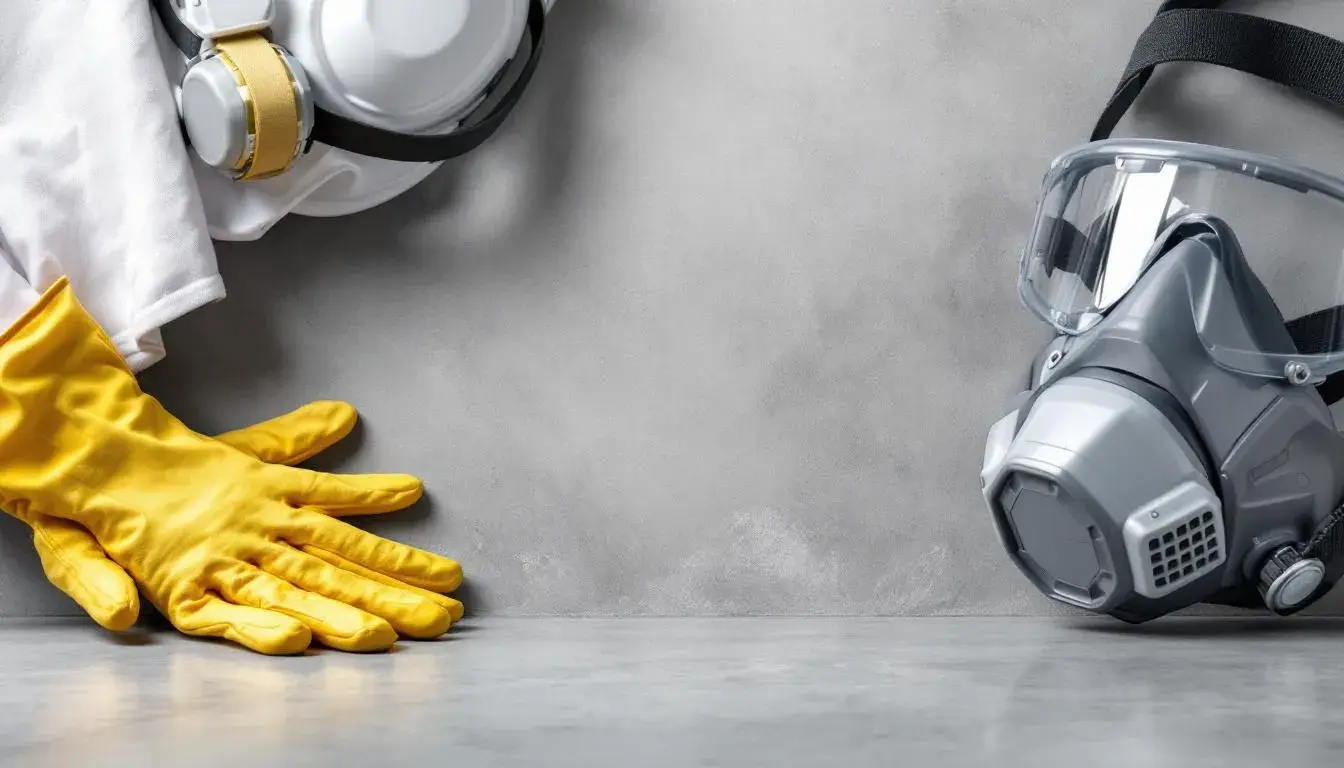
When working with concrete sealers, it is essential to prioritize both safety
and environmental considerations. Key precautions include:
-
Using appropriate protective equipment to prevent exposure to toxic fumes
and skin or eye irritation. -
Handling concrete sealers with caution to avoid health risks and ensure a
safe application process. -
Ensuring adequate ventilation, especially when applying sealers interior,
to mitigate negative impacts on health and the environment.
Additionally, it’s important to consider the environmental impact of the
following products used. Choosing sealers with lower volatile organic compounds
(VOCs) content can reduce harmful emissions and contribute to a healthier
environment. Mindfulness of these factors ensures a safer, more sustainable
sealing process for your concrete surfaces.
Volatile Organic Compounds (VOCs)
Volatile organic compounds (VOCs) are chemicals released during the
application and drying of solvent based concrete sealers. Exposure to VOCs can
cause serious health risks, including respiratory diseases and other long-term
health issues. Newer water based sealers have lower VOC amounts and are less
harmful, making them a safer choice for interior applications.
The safest type of sealer to apply interior is a water based sealer, which
complies with the standard of less than 250 g/L VOC content. Opting for these
following products can significantly reduce health risks and environmental impact in the
interior.
Protective Measures
Using protective measures can significantly reduce the risk of injury while
working with concrete sealers. These measures include:
-
Wearing safety glasses to protect against eye irritation
-
Wearing gloves, particularly nitrile gloves, to prevent skin irritation
and chemical burns -
Wearing masks, such as N95 masks, to protect against inhalation of harmful
substances
Adequate airflow is also essential to limit the inhalation of harmful fumes
released during the application of concrete sealers. By taking these
precautions, you ensure a safer working environment and protect your health
while sealing concrete surfaces.
Summary
Concrete sealers are vital for protecting, enhancing, and prolonging the life
of concrete surfaces. By understanding the different types of sealers and
their benefits, you can choose the right product for your project. Proper
preparation, application, and maintenance are crucial for achieving the best
results. Addressing common issues and taking environmental and safety
considerations into account ensures a successful and sustainable sealing
process. With this knowledge, you are well-equipped to enhance and protect
your concrete surfaces, ensuring they remain durable and visually appealing
for years to come.
Frequently Asked Questions
What are the main types of concrete sealers?
The main types of concrete sealers are Film-Forming sealers, including
acrylic, epoxy, and polyurethane, as well as Penetrating sealers like silane
and siloxane. These options cater to various protection and aesthetic needs
for concrete surfaces.
How often should I reseal my concrete surfaces?
Concrete surfaces should be resealed every 2 to 5 years, depending on factors
such as traffic and exposure levels. Regular maintenance ensures their
durability and appearance.
What is the difference between high gloss and low sheen finishes?
High gloss finishes provide a shiny, reflective appearance that enhances
color, while low sheen finishes offer a more subdued, matte look. The choice
between them ultimately depends on the desired aesthetic and functional
requirements.
What are VOCs, and why should I be concerned about them?
VOCs, or volatile organic compounds, are harmful chemicals released from
products like concrete sealers that pose health risks, including respiratory
diseases. It is prudent to choose water-based sealers with lower VOC levels to
mitigate these risks.
What protective measures should I take when applying concrete sealers?
When applying concrete sealers, it is crucial to wear safety glasses, gloves,
and an N95 mask to protect against eye irritation, chemical burns, and harmful
inhalation. Additionally, ensure that the work area is well-ventilated to
maintain safety.

Have questions?
Get in touch — we are happy to help and answer any question.
Keep reading
Related posts
 Concrete Floor
Garage Paint for Floor: Complete Guide to Durable Floor Coatings
Discover the best garage paint for durable floors with our complete guide. Find reliable finishes that withstand wear and enhance your space. Read more! |…
Read more Concrete Floor
Top Tips for Best Results: How to Paint on Concrete Floor
Want to paint on concrete floor? Learn how to pick the right paint, prep the surface, and apply it for a lasting finish. Table of Contents…
Read more Concrete Floor
Mastering Concrete at Home Depot: Top Tips and Tricks
Discover the essential information about choosing and using concrete at Home Depot. Get practical tips and guidance to make informed decisions. Read more!
Read more