
Top Tips for Applying Paint on Concrete Surfaces
Want to paint on concrete? Painting concrete allows you to choose from a wide range of colour options, not just grey, so you can refresh and personalize your space. Learn the best types of paint, how to prepare the surface, and techniques for a lasting finish.
Spis Treści
- Key Takeaways
- Types of Paint Suitable for Concrete
- Removing Existing Paint from Concrete
- Preparing Concrete for Painting
- Applying Paint to Concrete
- Choosing the Right Tools and Materials
- Maintaining Painted Concrete Surfaces
- Eco-Friendly Painting Options
- Summary
- Frequently Asked Questions
Types of Paint Suitable for Concrete

Selecting the correct type of paint for
concrete surfaces ensures long-lasting results. Various
options are available, each serving different needs and conditions.
Explore the best paint types for concrete,
such as epoxy paints for durability, acrylic latex for
low-traffic areas, concrete paint for walls, and
masonry paint for walls.
To paint concrete effectively, it’s important to select
paints specifically formulated for
concrete surfaces, such as epoxy or
masonry paint.
Epoxy Paints for Durability
Epoxy paints are a top choice for
painting concrete floors in high-traffic areas, such as
garage floors, due to their exceptional durability. These
paints create a robust resin surface that is
highly resistant to chemicals and abrasion, making them ideal for
floor spaces that endure heavy foot or vehicle traffic.
Proper application and maintenance can make epoxy coatings last between 5 to
10 years, offering a durable finish. Their abrasion and
wear resistance make them a reliable choice for
painting concrete floors with a tough
coating.
Acrylic Latex for Low-Traffic Areas
For less demanding indoor concrete surfaces, acrylic latex
paint is an excellent choice. This
type of paint is user-friendly, available in a variety of
colors, and known for its easy application and quick
drying times.
Acrylic latex paints are popular for low-traffic areas
because they are easy to use and safe, with many low-VOC options suitable
for indoor applications.
Masonry Paint for Walls
Masonry paint, formulated specifically for
concrete, offers superior adhesion and weather resistance,
making it ideal for both indoor and outdoor walls.
Masonry paint can withstand varying weather conditions and
offers a long-lasting finish, ensuring that your
concrete walls remain protected and visually appealing.
[READ MORE] Mastering Concrete at Home Depot: Top Tips and Tricks
Removing Existing Paint from Concrete
Removing existing paint from
concrete surfaces is a crucial first step to
ensure your new paint adheres properly and delivers a
smooth surface, long-lasting finish. Whether you’re working
on garage floors, walls, or outdoor patios,
taking the time to remove old paint and prepare the
concrete surface will help you
achieve the best results when
painting concrete.
Start by tackling any loose or peeling paint using a
wire brush or by wire brushing the
surface. This mechanical method is effective for removing
flaking paint and debris from the
concrete. For areas where old paint is more
stubborn, apply a paint stripper according to the
manufacturer’s instructions. Always wear
eye protection, gloves, and a mask during this process, and
make sure you’re working in a space with
good ventilation to protect yourself from dust and fumes.
Once the majority of the old paint has been removed, use a
pressure washer to pressure wash the
concrete surface. This step helps eliminate any
remaining residue, dirt, and
stains, but be careful not to use excessive pressure—keep
the nozzle at least 12 inches from the surface and use a wide
fan tip to avoid damaging the concrete. After
pressure washing, allow the surface to
dry completely
before moving on.
For the most durable and smooth surface,
lightly sand the concrete with
medium grit sandpaper. Sanding helps create
a slightly rough texture, which is especially important for
epoxy paints and other coatings to
stick effectively. After sanding,
rinse the surface thoroughly with
clean water to remove dust and
debris, and let it dry completely.
When you’re ready to paint, start with a
first coat of concrete paint, using a
paint brush to cover edges and corners, and
a roller for larger areas. For a professional finish, apply
at least two coats, allowing each coat to
dry completely before adding the next. Always follow the
manufacturer’s instructions for
drying times and application techniques.
To protect your newly painted surface and
extend its lifespan, finish by applying a
concrete sealer once the paint has
dried completely. This final step helps guard against
stains, dirt, and moisture,
keeping your concrete surface looking its best. Regular
cleaning and maintenance will further ensure your
painted surface remains durable and
attractive for years to come. By following these techniques, you’ll create a
smooth, resilient finish that stands up to daily wear and
tear.
Ready for Durable Floors? Click to See Our Expert Options!
Preparing Concrete for Painting
Preparing concrete surfaces properly ensures effective
paint adhesion and a smooth,
durable finish. This involves cleaning,
repairing cracks and holes, and etching
and sealing the concrete. Identifying and addressing
imperfections such as blemishes or irregularities on the
concrete surface is essential to achieve a
uniform and long-lasting paint finish.
Delve into each step to understand how to
prepare concrete for preparation painting.
Cleaning the Concrete Surface
Thorough general cleaning is the
first step in preparing a concrete surface
for painting. Remove:
-
leaves
-
dirt
-
trash
-
grass
-
rocks
-
stains
-
grease
-
old paint
Begin by washing the surface with water to eliminate
dirt and debris. Using
warm water can help remove grime and
debris more effectively during the
cleaning process. Pressure washing at or
below 1,750 PSI effectively deep cleans without damaging the
concrete.
Vinegar and baking soda can clean and prepare the
surface without harsh chemicals. Ensure the area is
completely dry after cleaning to prevent
paint dilution.
Repairing Cracks and Holes
Filling cracks and holes is crucial for a
smooth, durable paint finish. Use
fast-setting hydraulic cement or masonry crack fillers to
repair damage, preventing water infiltration and
moisture problems that can affect
paint longevity.
Allow the fillers to fill dry completely before you
stick moving on to the next step.
Etching and Sealing the Concrete
Etching the concrete surface improves
paint adhesion by addressing efflorescence, salt deposits
that can interfere with the paint. Apply an etching
solution after cleaning and rinsing.
After etching, apply a concrete sealer to prevent
moisture issues and enhance adhesion and durability. Once
the sealer has dried, test the
surface for moisture before
painting to ensure proper curing and adhesion.
Applying Paint to Concrete

Painting concrete involves several steps for a
professional, long-lasting finish. Although you can
paint directly onto concrete, waiting three
months for freshly laid concrete to dry is
recommended. The process includes priming, applying the
first coat, and adding additional coats for
optimal coverage and durability.
Let’s explore each step in detail.
Priming the Concrete Surface
Priming the concrete surface ensures the
best paint results by:
-
Helping the paint adhere better to the
porous surface -
Filling small gaps and creating a smooth surface
-
Enhancing the durability and finish
-
Ensuring the paint lasts longer and looks better with a
primer
Applying the First Coat
When applying the first coat of paint:
-
Thin the paint by around 20% to ensure better
absorption into the porous concrete. -
Note that this initial coat may appear uneven as it soaks
in. -
Understand that this coat prepares the
surface for a more even and durable
finish with subsequent coats.
Allow the first coat to
dry completely before proceeding.
Adding Additional Coats
Applying a second coat of paint is
essential for even coverage and a smooth,
durable finish. Allow the first coat to dry
for at least two coats 4 hours before applying the
second coat.
For an even application, roll on the paint in a different
direction from the first coat. Wait 12-24 hours before
applying the next coat to ensure
complete drying.
Choosing the Right Tools and Materials
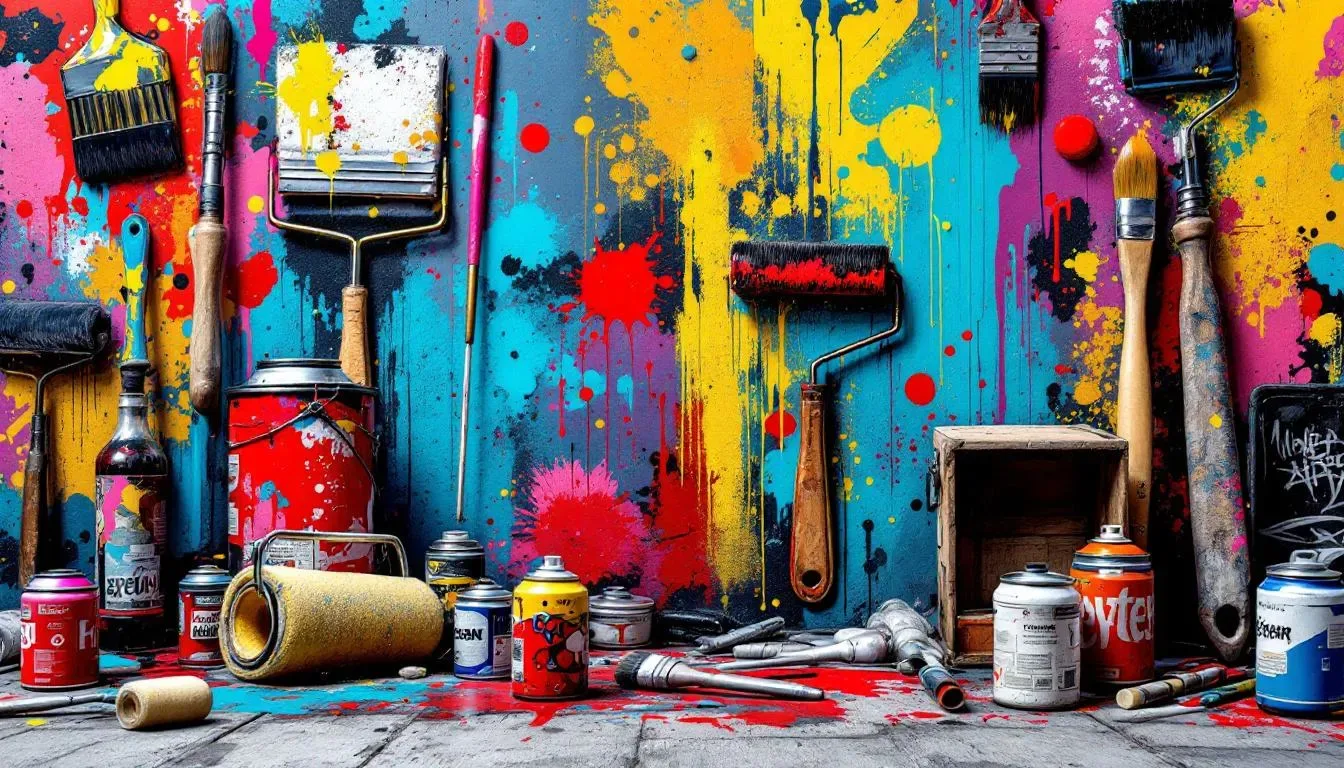
Choosing the right tools and materials ensures a professional appearance
when painting concrete surfaces. This includes high-quality
brushes and rollers, a paint sprayer for
large projects, and proper protective gear and safety
measures.
Always follow the manufacturer’s instructions for all
tools, paints, and sealers to ensure
optimal results.
Let’s explore each aspect in detail.
Selecting Paint Brushes and Rollers
Choosing the right brush and rollers ensures a
smooth finish:
-
Natural bristle brushes suit oil-based
paints. -
Stiff bristled synthetic brushes are
better for water-based options. -
Foam rollers are recommended for smooth finishes.
-
Longer nap rollers are ideal for textured areas, and a
paint brush can also be useful.
Consider the type of paint and
surface texture techniques to ensure the
best results.
Using a Paint Sprayer
A paint sprayer significantly reduces application time on
larger areas of concrete, providing a
uniform coat and quickly covering expansive
surfaces, making it ideal for
large projects.
Airless paint sprayers are particularly useful to
achieve an even coat and reaching
difficult areas without the need for scaffolding.
Protective Gear and Safety Measures
Wearing protective gear ensures safety while
painting concrete surfaces. Always wear goggles for
eye protection to shield your eyes from
paint splashes and harmful dust, and use gloves to
protect your skin from paint chemicals.
Ensure good ventilation to prevent inhalation of fumes and
maintain a safe working environment.
Maintaining Painted Concrete Surfaces
Maintaining painted concrete surfaces extends their
lifespan and keeps them looking fresh. Regular cleaning,
touching up peeling paint, and reapplying
sealers are key steps to ensure
durability and appearance.
Let’s explore each maintenance task in detail.
Regular Cleaning and Upkeep
Regular cleaning keeps
painted concrete surfaces looking fresh and prevents
damage. Dust-mop painted concrete floors weekly to prevent
dirt and debris buildup. Use a damp mop
with a mild dishwashing solution, avoiding excessive water that could damage
the paint.
Reapply a concrete sealer annually to
protect the painted surface from
moisture and enhance durability.
Touching Up Peeling Paint
Inspect and repair damage quickly to maintain the
painted surface’s integrity. Use
medium-grit sandpaper to
smooth out peeling paint and touch up the area with a fresh
coat of sand.
Ensure the surface is clean and
dry before applying a wash of new paint for
a seamless repair.
Reapplying Sealers
Reapplying a concrete sealer periodically
protects the painted surface from
moisture and damage. Regular
cleaning of painted surfaces prevents
dirt and grime buildup, which can degrade the finish.
Touch up areas where the paint has
peeled or worn away to ensure seamless repair and maintain
surface integrity.
Eco-Friendly Painting Options
Eco-friendly painting methods reduce environmental impact
while enhancing aesthetic appeal. Using low-VOC paints and
natural cleaners like vinegar and citrus-based solutions
makes your concrete painting project more sustainable.
Let’s explore these eco-friendly options in detail.
Low-VOC Paints
Low-VOC paints emit fewer volatile organic compounds,
improving indoor air quality and creating a healthier environment. By
reducing harmful chemicals released into the air,
low-VOC paints contribute to a more sustainable,
eco-friendly painting process.
Natural and Biodegradable Cleaners
Natural cleaners like vinegar and citrus-based solutions
are environmentally friendly for preparing
concrete surfaces. These solutions effectively
clean and prep concrete without harsh
chemicals, making them safer for both the environment and your health while
ensuring access to clean water.
Summary
Painting concrete surfaces can transform your space and add
a fresh, vibrant look. By choosing the right type of paint,
properly preparing the surface, and following the correct
application and maintenance steps, you can achieve a
professional and long-lasting finish. Embrace eco-friendly options to reduce
environmental impact and create a healthier living environment. Ready to start
your concrete painting project? Let’s make your vision a
reality!
Frequently Asked Questions
What type of paint is best for high-traffic concrete areas?
For high-traffic concrete areas,
epoxy paints are the best choice because
they offer exceptional durability and chemical resistance.
How should I prepare concrete surfaces before painting?
To effectively prepare concrete surfaces for
painting, ensure the area is thoroughly
cleaned, repair any cracks or
holes, and apply an etching solution followed by a
concrete sealer for optimal adhesion. This will enhance the
durability and appearance of your paint.
Can I use a paint sprayer for painting concrete?
Yes, using a paint sprayer for
painting concrete is effective as it quickly
covers large areas and provides a uniform finish. Ensure
proper preparation and use an appropriate
paint for the best results.
How often should I reapply a concrete sealer?
Reapplying a concrete sealer annually is essential to
protect the surface from moisture and
maintain its durability. Regular maintenance ensures optimal
performance and longevity of the seal.
What are eco-friendly options for painting concrete?
Opt for low-VOC paints and
natural cleaners, such as vinegar and citrus-based
solutions, to ensure an eco-friendly approach to
painting concrete. This choice minimizes environmental
impact and promotes a healthier living space.

Have questions?
Get in touch — we are happy to help and answer any question.
Keep reading
Related posts
 Basement
Essential guide to waterproofing of concrete for lasting protection
Don't let water destroy your home. Our step-by-step guide shows you how to properly seal concrete and avoid costly repairs. Find out how to fix it…
Read more Concrete
Essential tips for effective repair of concrete surfaces
Need to repair concrete? Learn how to fix cracks, chips, and uneven surfaces through the repair of concrete. This guide explains the necessary tools and…
Read more Concrete
The best concrete paint: A step-by-step guide to a perfect finish
Concrete painting is a great way to transform and beautify concrete surfaces, including garage floors, porches, and interior floors. With the right…
Read more