
Repair or replace? What GTA homeowners should know about damaged concrete
It is one of the most common calls we get. A homeowner has been told their driveway, porch or garage floor is finished and the only option is to tear it out and pour new concrete.
Sometimes that is true. Far more often it is not, and the difference is worth thousands of dollars. After repairing concrete across the GTA since 1998, here is how we would explain the decision to a friend.
What full replacement actually involves
Replacement is not one job, it is four. The old concrete has to be broken up and hauled away, the base often has to be rebuilt, new concrete has to be formed and poured, and then everything cures before you can use it.
Each stage has its own cost: demolition labour, disposal fees, machinery, forming, the new pour and finishing. That is why replacement quotes surprise people, you are paying to remove a slab and to build one.
There is also the timeline. Between demolition, pouring and curing, a replaced driveway or porch can be out of service for weeks, and freshly poured exterior concrete is only practical in the warmer months.
What repair can actually fix
Modern repair systems handle far more than most homeowners expect. In our work across the GTA, these are the problems routinely solved without removal:
- Cracks. Structural and non-structural cracks can be routed, filled or injected, including leaking foundation cracks sealed with polyurethane injection.
- Spalling and pitting. Flaking, scaling and pitted surfaces, common after years of freeze and thaw and road salt, can be ground down and resurfaced.
- Worn or ugly surfaces. Decorative overlays and systems such as Graniflex bond a new, flexible, crack-resistant surface over the old concrete, with over 120 finishes to choose from.
- Uneven slabs. Levelling and patching restore safe, flat surfaces without a new pour.
- Unprotected concrete. Penetrating and film-forming sealers protect a repaired surface against water, salt and further deterioration.
The finished result is not a visible patch. With proper surface preparation and a decorative finish, a resurfaced slab usually looks better than the original pour.
Permits, drawings and disruption
Here is the part that rarely makes it into a replacement quote. Removing and repouring concrete can require drawings and municipal permits, particularly where structures like porches, steps or balconies are involved, and that means fees, paperwork and waiting.
Repairing and resurfacing existing concrete, in most cases, requires no permits or drawings at all. The work happens on top of what is already there, typically in days rather than weeks.
Disruption follows the same pattern. Replacement means demolition noise, dust, disposal bins and machinery on your property. Repair means surface preparation and application, and then a short cure.
The money question, honestly
We deliberately avoid quoting prices in articles, because every slab is different and a number written for the whole GTA would mislead you. The relationship between the two options, however, is consistent.
Repair and resurfacing typically cost a fraction of full replacement, because you skip demolition, disposal, base work and a new pour entirely. The gap grows when access is difficult or when permits and drawings would be required for the replacement.
The honest way to compare is to get a written repair quote and a written replacement quote for the same slab, then weigh the difference against how much life each option realistically buys you.
When replacement really is the right call
An honest repair company has to be able to say this: some concrete is beyond saving. We recommend replacement, or at least a structural assessment, when we see:
- deep deterioration through the full thickness of the slab, not just the surface,
- a failed or washed-out base underneath, so the slab has nothing solid to sit on,
- severe heaving or settlement driven by soil problems that will keep moving,
- structural failure in load-bearing elements that repair products are not designed to carry,
- damage across so much of the surface that repair would cost close to a new pour.
In those cases, resurfacing would only hide a problem that keeps getting worse underneath. Spending repair money there is money wasted, and we tell homeowners so.
How to decide for your own concrete
Three questions separate most repair candidates from replacement candidates.
- Is the damage on the surface, or does it go through the full depth of the slab?
- Is the base underneath still solid, or is the slab moving?
- How much of the total area is actually affected?
Surface damage, a stable base and localized problems point strongly to repair. Full-depth failure, movement and widespread damage point to replacement.
You do not need to answer these questions alone. A short assessment, often possible from photos, settles most cases quickly.
Get an honest opinion first
TCR Pro specializes in concrete repair, resurfacing and protection, and we have built the business since 1998 on telling people the truth about their concrete. A repair that should never have been attempted costs us our warranty and our reputation, so we only recommend repair where it will genuinely last.
Before you sign a replacement quote, send us a few photos of your concrete. The assessment costs nothing, and in most cases it will save you time, money and a torn-up property.

Have questions?
Get in touch — we are happy to help and answer any question.
Keep reading
Related posts
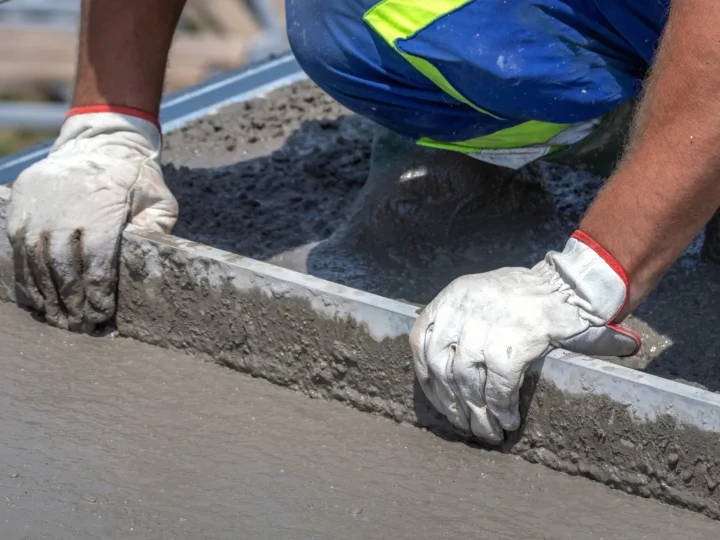 Guides
Parging: Why It Cracks and Falls Off — and How to Fix It for Good
Parging protects the exposed top of your foundation, but freeze-thaw cycles make cheap coats crack and fall off. Here is why it fails, when to repair…
Read more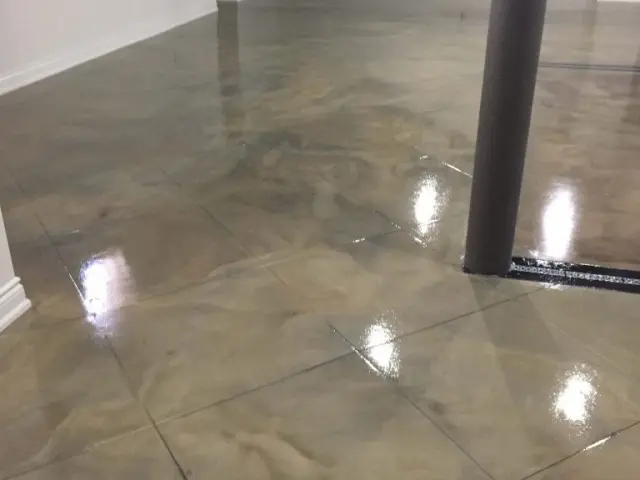 Guides
Basement Waterproofing Cost Guide for Toronto & the GTA
What really drives basement waterproofing cost in Toronto and the GTA: interior vs exterior systems, wall length, access, drainage and crack injection, plus how to compare…
Read more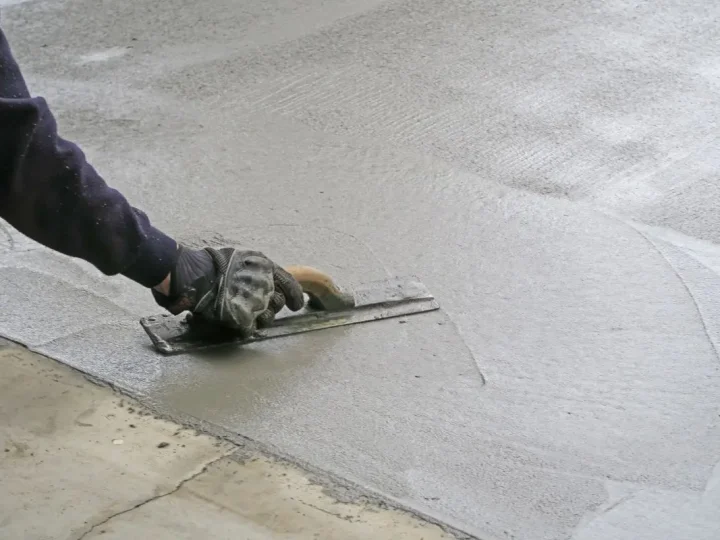 News
News
Concrete resurfacing vs new concrete: What’s more cost-effective?
Cracked driveway? See if concrete resurfacing is a better choice than replacement. We compare the costs, pros, and cons to help you decide.
Read more