
Sealing Concrete Driveway: Tips, Techniques, and Top Products
Sealing concrete driveway is essential for protecting it from damage and enhancing its longevity. By applying a concrete sealer, you create a chemical barrier against stains, weather, and wear and tear, ensuring your driveway looks great and lasts for years. In this guide, we’ll cover the reasons to seal your driveway, the types of sealers available, how to prepare and apply them, and maintenance tips to keep your sealing concrete driveway in top condition.
Why Seal Your Concrete Driveway?
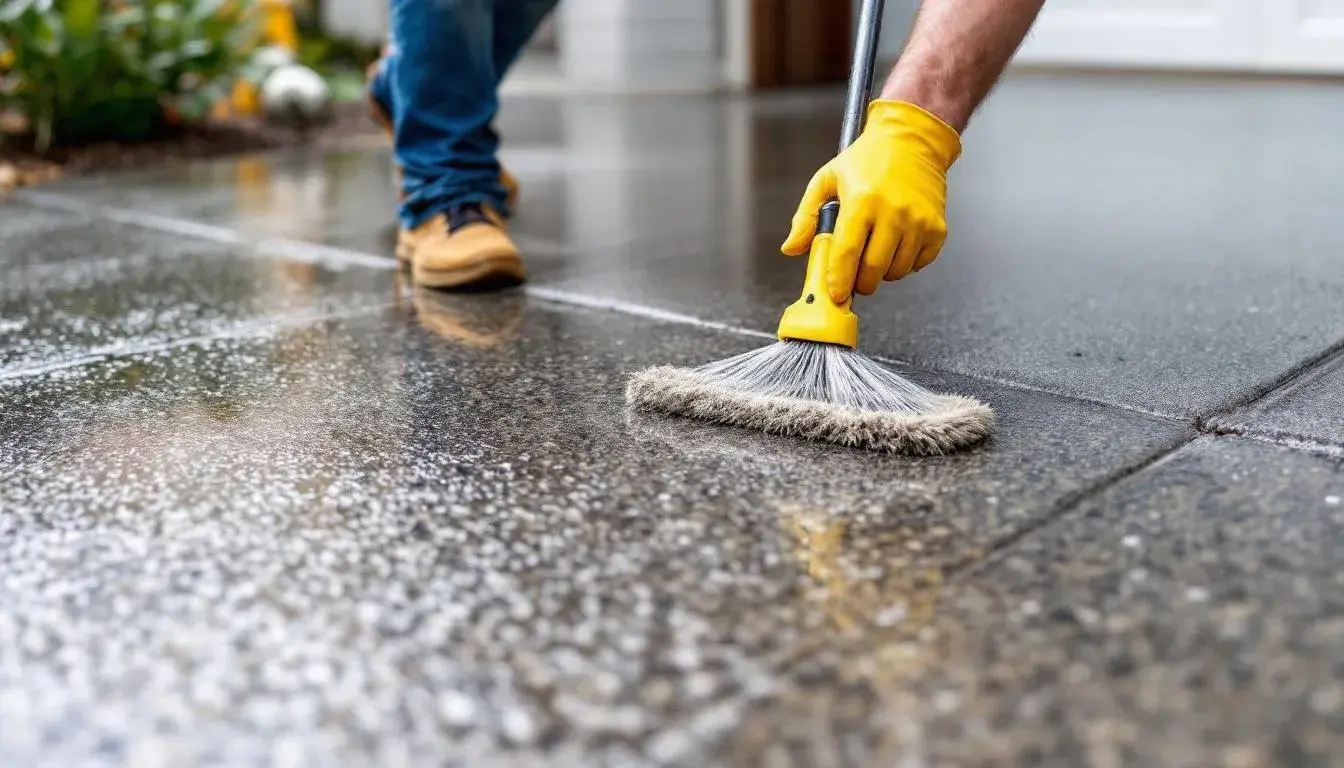
sealer.
Sealing a concrete driveway is a crucial step in preserving its integrity and
appearance. A concrete sealer forms a protective chemical barrier against
stains, mold, and cracking. This sealing process not only improves the look of your
driveway but also boosts its durability and longevity, saving you from costly repairs or
replacements in the long run. Sealing any exterior concrete
slab, including driveways, patios, and walkways, is important to enhance durability and prevent
stains.
Concrete driveways are subjected to various damaging factors like freeze thaw
cycles, UV rays, and vehicle fluids. Sealing helps prevent premature deterioration
caused by these elements, ensuring your <driveway remains in excellent condition.
Sealing is also important for other concrete surfaces, such as patios and
walkways, to protect the entire concrete slab from similar damage.
Different types of sealers, such as acrylic sealers, epoxy,
polyurethane sealers, and penetrating sealers, offer various levels of
protection and aesthetic enhancement.
Weather Protection
One of the primary reasons to seal your concrete driveway is to protect it from harsh weather
conditions. Freeze thaw cycles, where water seeps into the concrete and
expands upon freezing, can cause significant cracking and surface damage. A sealer prevents
water absorption, reducing the risk of cracking and structural damage.
Before starting the sealing process, always check the weather forecast to
ensure you have dry, warm conditions for the best results.
UV rays are another enemy of concrete surfaces. Prolonged exposure to direct
sunlight can lead to discoloration, cracking, and brittleness. A sealer acts as a
UV resistant shield, preserving the driveway’s appearance and structural
integrity over time. A well-sealed driveway can withstand evolving weather conditions
year-round.
Stain Prevention
Stains from oil stains, grease, and other spills can significantly mar the appearance of your
concrete driveway. Sealing stops these substances from penetrating the
concrete, simplifying cleanup and maintaining a pristine appearance.
Regular maintenance and timely resealing ensure that your driveway remains free
of unsightly stains and retains its aesthetic appeal.
Enhanced Appearance
Sealing your concrete driveway can dramatically enhance its appearance.
Concrete sealers come in various gloss levels, from no gloss
to high gloss finishes, allowing you to choose the look that best suits your home.
Decorative concrete sealers can also add patterns and textures, giving your
driveway a unique and attractive appearance. Topical sealers are especially
popular for stamped concrete surfaces, as they enhance color and provide a glossy finish after
installation.
Whether you prefer a subtle matte finish or a striking high gloss wet
look, sealing provides options to enhance the visual appeal of your semi
gloss driveway, including different gloss level choices.
Longevity
Sealing your concrete driveway significantly extends its lifespan.
Sealing reduces the susceptibility to common forms of damage such as cracking, scaling, and
spalling. It preserves the structural integrity of the concrete, minimizing the need for costly
repairs.
A high quality penetrating sealer provides long-lasting protection, keeping
your driveway in good condition for years. Choosing a reputable concrete driveway
sealer maximizes the lifespan and appearance of your driveway by protecting it
from traffic, weather, and chemical exposure.
Learn How to Protect Your Garage Floor
Types of Concrete Sealers
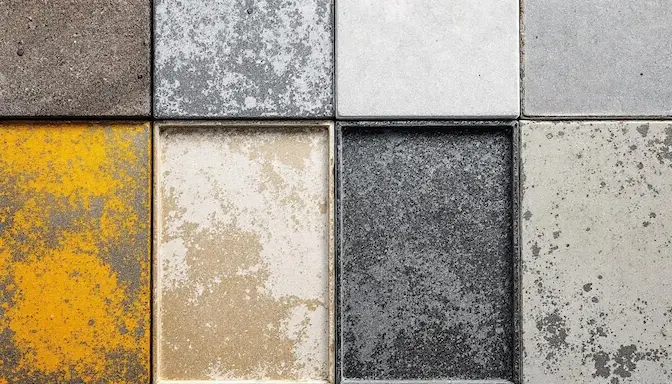
sealer for your driveway.
Concrete sealers come in various types, each designed to offer specific benefits and cater to
different needs. Understanding the differences between these sealers can help you choose the
best one for your driveway. The main categories of concrete
sealers include penetrating sealers and topical sealers, which
further divide into subtypes like acrylic, epoxy, polyurethane, and
water based sealers.
Penetrating sealers maintain the natural look of concrete while providing
long-lasting protection. Some penetrating sealers use specialty resins, such
as siloxanes or silanes, to create a chemical barrier within the concrete,
offering resistance to water and contaminants. Topical sealers, on the other hand,
sealers form a protective film on the surface—these sealers form a
chemical barrier that shields the driveway from stains and water penetration,
while also enhancing the appearance with various finishes. Each type of sealer has its unique
advantages and drawbacks, making it important to choose the right sealer based on your specific
needs and preferences.
Acrylic Sealers
Acrylic sealers are popular due to their affordability and ease of application.
Some lower-cost acrylic sealers use styrene acrylic, which is less durable and
more prone to yellowing under direct sunlight compared to pure acrylic resin.
They form a protective film on the concrete surface and are available in both
glossy and matte finishes. The best concrete sealer,
pure acrylic resin sealers are UV resistant, which helps in
preventing fading and discoloration.
However, they require reapplication every 2-3 years to maintain their effectiveness.
Penetrating Sealers
Penetrating sealers work by seeping into the concrete and forming a
chemical barrier within the pores. This type of sealer does not alter the
appearance of the concrete, making it ideal for those who prefer a natural look.
Penetrating sealers offer long-lasting protection and are particularly effective in preserving
the original texture and color of the concrete.
Water-Based Sealers
Water based sealers are gaining popularity due to their low levels of volatile organic compounds
(VOCs), making them safer for the environment and easier to work with. Most sealers and
solvent based sealers provide a durable protective layer and are available in various finishes.
They are particularly suitable for those looking for an eco-friendly option without compromising on quality.
Polyurethane Sealers
Polyurethane sealers are known for their high durability and resistance to chemicals and
abrasion. They are ideal for high traffic areas and provide long-lasting protection against
wear.
Polyurethane sealers can enhance the appearance of concrete driveways with a
glossy finish while ensuring that the sealed surface remains protected against
the elements. Concrete driveway sealers provide an additional layer of protection.
Contact Us for a Free Sealing Quote
Preparing Your Driveway for Sealing
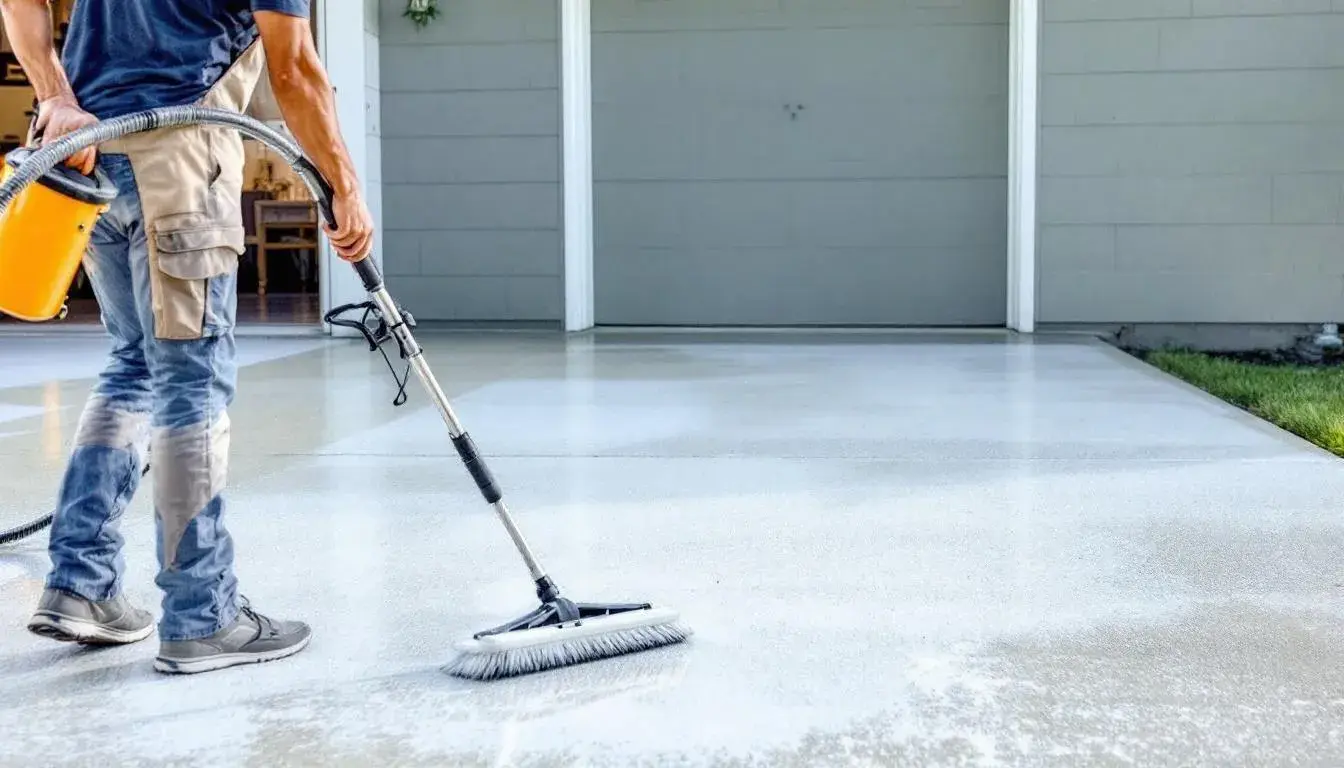
sealing process.
Proper preparation of your concrete driveway is crucial for successful sealing.
This involves thorough cleaning, repairing any cracks, and
ensuring the surface is dry. Some preparation steps may require expensive equipment, which
hiring professionals often have, but can be costly for DIYers to rent or purchase. Skipping
these steps can lead to poor adhesion and reduced effectiveness of the sealer.
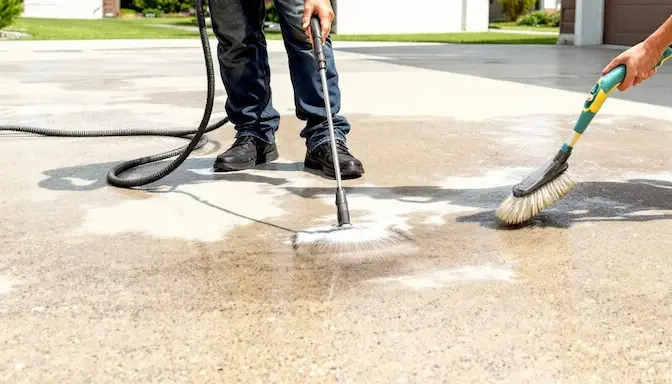
Cleaning your driveway involves removing dirt, stains, and old sealer. Using a
pressure washer and appropriate concrete cleaner, along with pressure
washing, can ensure the concrete surface is properly prepared.
Once cleaned, any cracks should be repaired to create a smooth sealed surface
for sealing. A putty knife can be used to apply repair
materials smoothly and evenly, following manufacturer’s instructions for best results. Finally,
allowing adequate drying time is crucial to ensure the sealer adheres properly and provides
lasting protection.
Thorough Cleaning
Thorough cleaning is the first step in preparing your driveway for
sealing. Using a pressure washer can effectively remove dirt and oil
stains, ensuring the concrete surface is clean and ready for
sealing. Using soap or a degreaser can break down oil stains and other
contaminants, making cleaning more effective.
If there is an existing sealer, it may need to be removed using a chemical
stripper or grinder with a diamond grinding wheel to ensure the new sealer adheres
properly. Improper cleaning can lead to bad reactions between the cleaning agents and the
sealer, resulting in poor adhesion and reduced effectiveness.
Therefore, it is essential to follow proper cleaning procedures and use the right tools and products to prepare
your driveway for sealing.
Repair Cracks
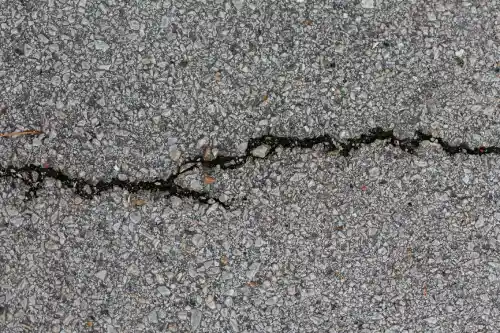
Repairing cracks is a crucial step before applying the sealer. Start by
removing any debris and loose concrete from the cracks using a screwdriver and
wire brush. Fill the gaps with concrete caulking to improve the appearance and protect the
driveway from further damage.
For deeper cracks, use concrete repair sealant and patching to ensure a smooth
sealed surface. In cases of severe damage, replacing the affected concrete may
be necessary.
Drying Time
The driveway must dry completely before applying the sealer for proper
adhesion. Typically, concrete should be allowed to dry for at least 24 hours before proceeding
with the sealing process. Failing to allow adequate drying time can result in poor adhesion,
leading to peeling or bubbling of the sealer.
Ensuring the driveway is fully dry will help achieve a smooth and durable finish.
How to Apply Concrete Sealer
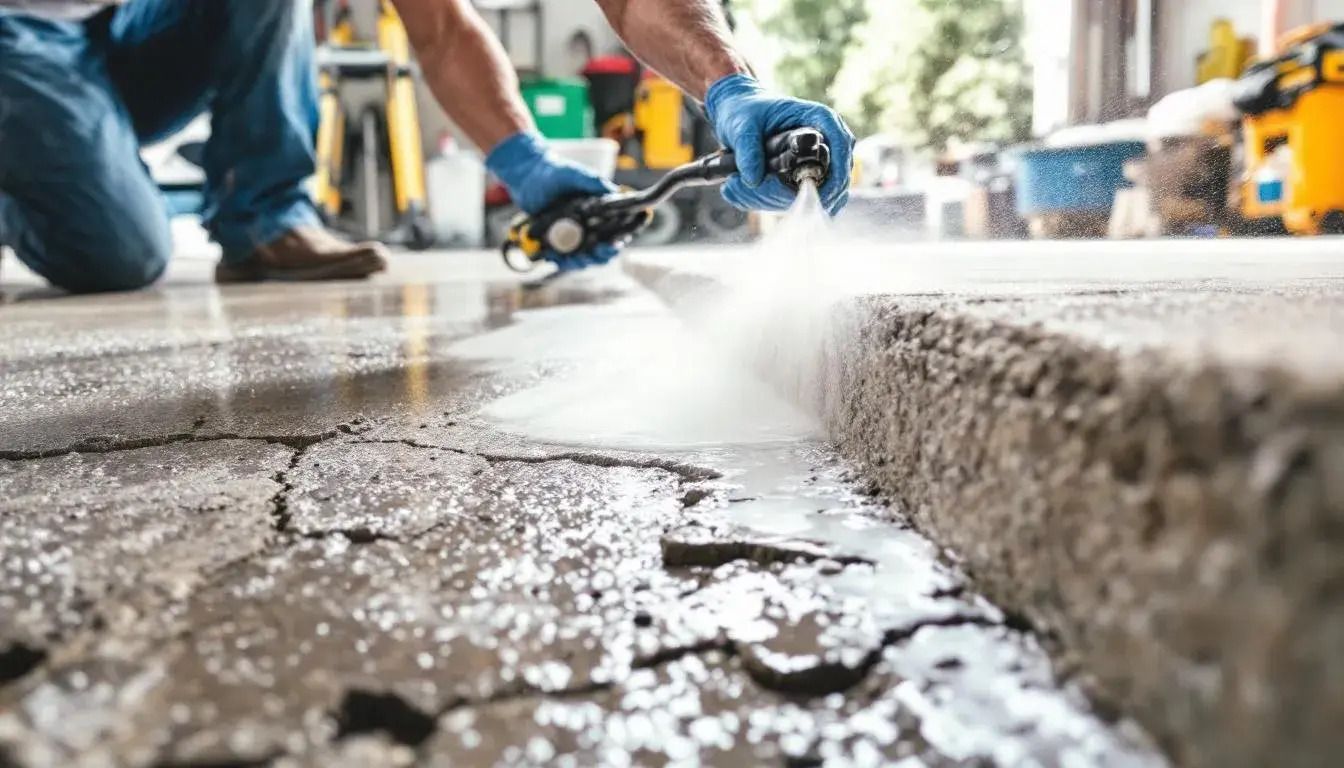
driveway.
Applying concrete sealer correctly is essential for achieving the desired results. The
sealing process involves choosing the right application method,
applying the first coat, and then the second coat. Each step
requires attention to detail to ensure even coverage and proper drying. Avoid over application
of sealer, as it can lead to an uneven finish or mess.
To begin:
-
Ensure the concrete surface is clean and prepared.
-
Use a pressure washer with at least 3,500 psi to remove any remaining dirt and grime.
-
Apply thin, even layers of sealer to help prevent
bubbles and blisters, ensuring a smooth finish. Avoid applying a thick
coat; instead, it is best to apply two thin coats for optimal coverage and
durability.
Depending on the sealer type, you may need to apply sealer multiple coats,
allowing adequate drying time between each coat. Always follow the manufacturer’s
instructions for application and drying times to ensure optimal performance.
Choosing Application Method
Choosing the right application method is crucial for achieving an even and durable finish. The
primary methods include:
-
Using a roller: preferred for water based sealers due to better control.
-
Using a sprayer: enables faster application over larger areas but can result in
overspray and streaks if not used carefully. -
Using a broom.
Using a solvent-resistant, natural hair broom can also be effective, especially for applying
thin coats. Avoid creating bubbles or puddles to ensure a smooth finish.
First Coat Application
Applying the first coat of sealer involves using a roller or
sprayer in a well-ventilated concrete area. Overlapping areas while applying
sealant ensures full coverage. For optimal results, aim to apply two thin coats of
sealer, allowing each coat to dry before applying the next.
The recommended coverage area is about 250 to 300 square feet. This applies for each gallon
used. Ensuring the area is well-ventilated helps the sealer dry properly and
achieve a smooth finish.
Second Coat Application
Applying the second coat is essential for ensuring complete coverage and
durability. Carefully read the manufacturer’s instructions to determine if a second
coat is necessary. Allow the first coat to dry for at least two hours before
applying the second coat.
To ensure even coverage and a lasting finish when applying a second
coat:
-
Apply the second coat in the opposite direction of the
first. -
Overlap strokes or sprayer passes to avoid gaps and achieve a consistent appearance.
-
Allow proper drying time between coats to prevent imperfections.
Drying and Curing Times
Understanding the drying and curing times is crucial for achieving the best results when sealing
your concrete driveway. Generally, the recommended drying time for sealed
concrete is around two hours, but this can vary depending on weather conditions and the type of
sealer used. Allow the concrete to dry for at least 24 hours before
applying the sealer to ensure proper adhesion and effectiveness.
After sealing, foot traffic should be avoided for at least 12 to 24 hours to
allow the sealer to cure properly. For vehicle traffic, it’s advisable to wait up to three
days, depending on the manufacturer’s instructions, to ensure the sealer has
fully adhered and provides effective protection.
Rushing the drying process can lead to poor adhesion and an uneven finish, so patience is key
for a durable and long-lasting sealed driveway.
Foot Traffic
Newly sealed concrete should not be walked on for a minimum of 12 to 24 hours to allow proper
curing. This waiting period is crucial for achieving a durable and lasting finish. Adequate waiting times before
walking on newly sealed concrete ensure the best results and protect your investment.
Waiting around four to five hours for surface dryness before allowing any foot traffic is
typically advised.
Vehicle Traffic
When it comes to vehicle traffic, it’s generally advised to wait 24 to 72 hours before driving on a freshly
sealed concrete driveway. Different types of sealers may require varying
waiting periods, often ranging from 24 to 72 hours.
This waiting period is crucial to ensure that the sealer adheres properly and provides effective
protection, ensuring the longevity and durability of the sealed driveway.
Maintenance of Sealed Concrete Driveways
Maintaining a sealed concrete driveway is essential to keep it looking new and to ensure its
longevity. Regular cleaning and timely resealing are the key components of a good
maintenance routine. A high quality sealer preserves the structural integrity
of the driveway, reduces repair costs, and simplifies cleanup.
Regular sealing extends the lifespan of a concrete driveway by mitigating
damage from various elements. Using caulking to fill any gaps improves both appearance and protection against
future damage, including the benefits of concrete sealing.
Exposure to deicing salts can deteriorate concrete driveways, so careful
maintenance is necessary to counteract these effects and keep your driveway in
top condition.
Regular Cleaning
Regular cleaning is essential to keep your sealed concrete driveway looking new
and to prevent the buildup of dirt and grime. The recommended method for maintaining a sealed
driveway is to use soap and water. It is advisable to clean the driveway every few
months to maintain its appearance.
Regular maintenance helps in preventing common contaminants like oil stains
from causing long-term damage.
Resealing Schedule
A concrete driveway should be resealed based on the following:
-
Every one to three years, depending on the type of sealer used.
-
Penetrating sealers require reapplication every four to five years.
-
The quality of resins in the sealer plays a critical role in
determining the lifespan of the seal coat.
The type of product used, weather conditions, and wear and tear significantly influence how often a
concrete driveway should be resealed. If areas of the sealer wear
thin, a light reapplication after washing can help maintain protection.
Common Issues and Solutions
Even with careful preparation and application, issues can arise during and after the
sealing process. Common problems include:
-
bubbling
-
blistering
-
uneven coverage
-
discoloration
Addressing these issues promptly can ensure your driveway remains in excellent condition.
Address any spalling in the concrete and other concrete surfaces, which shows
signs of deterioration in the concrete area. Fixing spalling involves thorough
cleaning the affected area with a concrete cleaner,
applying a concrete resurfacer if necessary, and sealing it
again to protect against future damage. If needed, you can also resurface concrete to restore
the surface quality.
Understanding these common issues and their solutions can help you achieve a flawless finish. By taking the right
steps during the sealing process and knowing how to fix any problems that arise, you can ensure
your concrete driveway looks great and lasts for years to come.
Bubbling and Blistering
Bubbling and blistering in the sealer can occur if it is applied too
thickly. If bubbling occurs, backrolling with a dry roller can help absorb the excess
sealer. Applying thin coats and ensuring proper drying
conditions can prevent these issues.
Bubbling in sealer is a common issue during application, but it can be managed
with careful technique.
Uneven Coverage
Uneven coverage during the sealing process can lead to a patchy appearance and
reduced effectiveness of the sealer. Applying the sealer evenly is crucial for
achieving a uniform finish. Choosing the right application method, such as a roller or sprayer,
can significantly enhance application uniformity.
If uneven coverage occurs, it may require stripping the affected areas or
applying a new layer of sealer to achieve a consistent appearance.
Discoloration
Discoloration can occur if the wrong type of sealer is used or if the sealer is
applied unevenly. To manage discoloration, choose compatible sealers designed
for the specific type of concrete.
If discoloration occurs, remove and reapply the sealer after ensuring the surface is dry to
achieve a consistent appearance.
Summary
Sealing your concrete driveway is a valuable investment that enhances its
appearance, protects it from damage, and extends its lifespan. By understanding the types of
sealers available, preparing the concrete surface properly, applying
the sealer correctly, and maintaining the sealed surface, you can ensure your
driveway remains in top condition for years to come. Regular maintenance and
timely resealing are key to preserving the beauty and functionality of your driveway. Take the
time to seal and care for your driveway, and it will reward you with lasting durability and
aesthetic appeal.
Frequently Asked Questions
How often should I reseal my concrete driveway?
You should reseal your concrete driveway every one to three years, based on the
sealer type and the driveway‘s wear and tear. Regular
maintenance will help extend its lifespan and maintain its appearance.
Can I apply the sealer myself, or should I hire a professional?
You can apply sealer yourself if you have the right tools and preparation, but hiring
professionals guarantees a more accurate and efficient job. Hiring professionals
is especially beneficial for large or complex sealing projects, as they have the expertise and
expensive equipment to ensure a durable, high quality result. Consider your
expertise and the importance of the project when making your decision.
What type of sealer is best for a high-traffic driveway?
For a high traffic driveway, polyurethane sealers are the
best choice due to their durability and resistance to chemicals and abrasion. This ensures
long-lasting protection and maintenance for such heavily used surfaces.
How can I prevent bubbling when applying the sealer?
To prevent bubbling when applying the sealer, ensure the concrete surface is
clean and dry, and apply the sealer in thin coats using
appropriate techniques and tools. This will help achieve a smooth finish.
What should I do if my sealer starts to discolor?
If your sealer starts to discolor, it’s best to remove it and reapply a compatible product after
ensuring the concrete surface is dry. This will help maintain the appearance and longevity of
your concrete.

Have questions?
Get in touch — we are happy to help and answer any question.
Keep reading
Related posts
 Concrete Driveway
Guide to Filling Driveway Cracks: Step-by-Step Instructions
Learn the proper steps to repair cracks in your concrete driveway. Our guide covers everything from cleaning the area to sealing for a lasting fix! Order…
Read more Guides
Parging: Why It Cracks and Falls Off — and How to Fix It for Good
Parging protects the exposed top of your foundation, but freeze-thaw cycles make cheap coats crack and fall off. Here is why it fails, when to repair…
Read more Guides
Basement Waterproofing Cost Guide for Toronto & the GTA
What really drives basement waterproofing cost in Toronto and the GTA: interior vs exterior systems, wall length, access, drainage and crack injection, plus how to compare…
Read more