
Is your concrete driveway looking cracked, stained, or generally worn out? You’re facing a common dilemma: should you opt for concrete resurfacing or a complete replacement with new concrete? While replacing it might seem like the only solution, resurfacing often presents a more cost-effective and efficient alternative for many homeowners. The key is understanding the condition of your existing concrete. For cosmetic issues, resurfacing can restore its look and durability for a fraction of the cost. However, for deep structural damage, a full replacement is the only long-term solution. This guide will help you determine the best path forward for your property.
Understanding the Core Options
Before diving into costs and decision-making, it’s crucial to understand what each process entails. Though they both result in a fresh surface, the methods are fundamentally different.
What is Concrete Resurfacing?
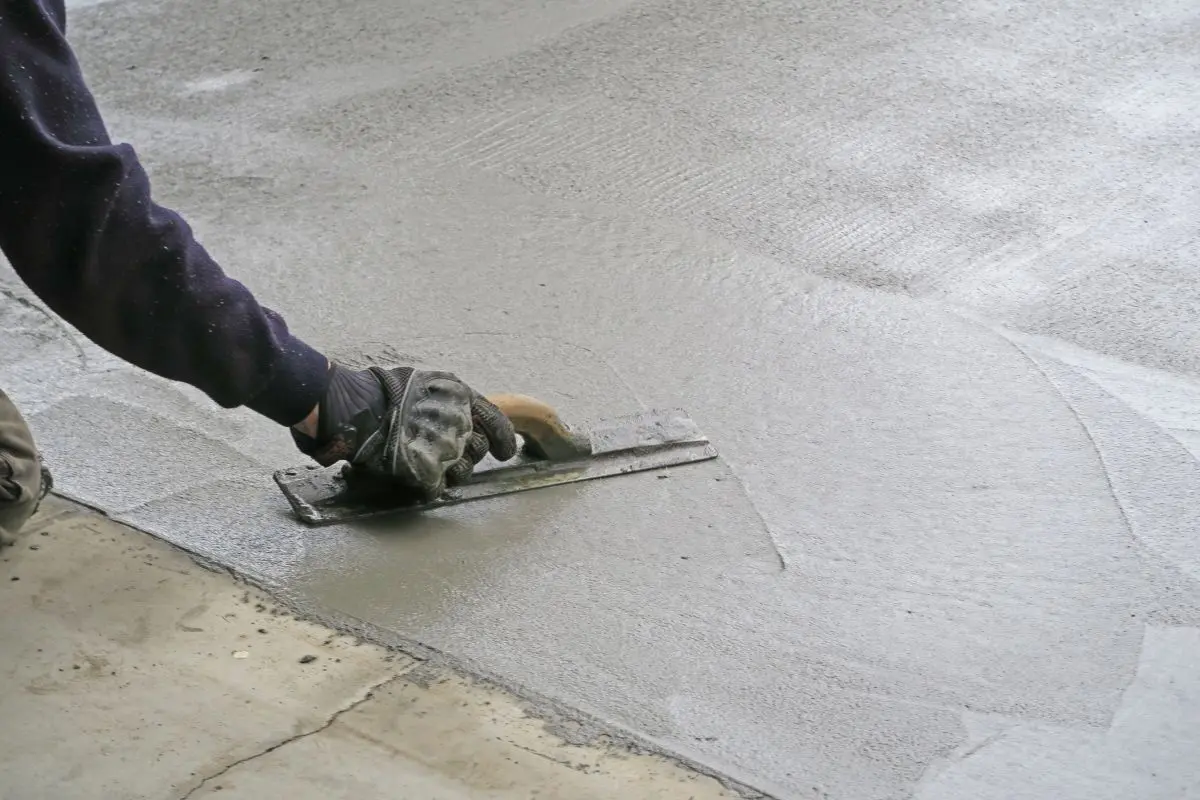
Concrete resurfacing involves applying a thin layer of a cement-based overlay mixed with special bonding agents directly on top of your existing concrete. First, the original surface is thoroughly cleaned and any minor cracks are repaired. Then, the new layer is applied, smoothed, and can even be stamped or stained to create a decorative finish. It’s essentially giving your concrete a durable and attractive facelift without major demolition.
What is New Concrete Replacement?
Concrete replacement is the more drastic option. It involves completely demolishing and removing the old concrete slab. After the old material is hauled away, the ground is re-graded, a new sub-base is prepared, forms are set, and finally, brand-new concrete is poured. This process addresses underlying issues with the foundation or sub-base and provides a completely new structure.
Cost of Concrete Resurfacing vs Replacement: A Breakdown
The most significant factor for many homeowners is the bottom line. Here’s a comparative look at the financial and practical costs associated with each option.
| Factor | Concrete Resurfacing | New Concrete (Replacement) |
|---|---|---|
| Average Cost | Generally 40-60% less expensive than replacement. | Higher initial cost due to demolition, removal, and new materials. |
| Project Time | Much faster; typically completed in 2-3 days. | Longer process; can take a week or more, including curing time. |
| Ideal Use Case | Cosmetic fixes: minor cracks, stains, discoloration, surface spalling. | Structural issues: deep cracks, sinking slabs, crumbling foundation. |
| Durability | A professionally applied overlay can last 8-15 years or more. | A new slab can last 20-30 years or more with proper care. |
When to Resurface vs Replace Your Driveway
So, how do you decide if a simple repair is enough or if you need a full replacement? The answer lies in the extent of the damage. A sound underlying slab is the primary requirement for successful resurfacing.
Checklist: When Should You Resurface?
Consider resurfacing if your concrete shows these signs:
- Numerous hairline cracks (less than 1/4 inch wide).
- Surface discoloration or widespread staining.
- Minor spalling, where only the top layer is flaking off.
- A generally solid foundation with no major sinking or heaving.
- You want to upgrade the look with a new color or texture.
Checklist: When is Replacement Necessary?
You should lean towards a full replacement in these situations:
- Deep, long, or wide structural cracks (wider than a credit card).
- The concrete is heaving, sinking, or has created an uneven surface.
- The underlying ground is unstable, causing the slab to shift.
- Advanced crumbling or spalling that exposes the aggregate (stones) below.
- The concrete has reached the end of its functional lifespan (over 25-30 years).
Finding the Right Concrete Solution in Toronto
In a climate like Toronto’s, with its freeze-thaw cycles, making the right choice is critical for longevity. An improper fix can quickly fail, wasting both time and money. Whether you’re considering concrete resurfacing in Toronto or a full replacement, professional assessment is key. A specialist can evaluate the root cause of the damage—be it soil issues, water drainage, or simple aging—and recommend the most durable solution. For a reliable evaluation of your property, consider a consultation for professional concrete driveway repair in the Toronto area to ensure the job is done right.
FAQ: Resurfacing vs. Replacement
Is it cheaper to resurface a concrete driveway or replace it?
Yes, in most cases, it is significantly cheaper to resurface a driveway than to replace it. Resurfacing avoids the high costs of demolition, removal of old concrete, and pouring a completely new slab, often saving you up to 60%.
How long does concrete resurfacing last?
A professionally installed concrete resurfacing overlay can last for 10 to 15 years, and sometimes longer with proper maintenance. Its longevity depends on the quality of the preparation, the materials used, and exposure to harsh weather conditions.
Can you resurface a heavily cracked concrete driveway?
You cannot resurface a driveway with deep, structural cracks. Resurfacing is a cosmetic solution for a structurally sound slab. If the cracks are wide, deep, or the slab is shifting, concrete driveway repair or replacement is the necessary course of action.