GTA & Toronto Concrete Repair | Expert Contractors at TCRPro

The best concrete paint: A step-by-step guide to a perfect finish
Concrete painting is a great way to transform and beautify concrete surfaces, including garage floors, porches, and interior floors. With the right approach, you can discover new ways to enhance your garage or interior living spaces.
The right concrete floor paint doesn’t just improve aesthetics; it provides a durable and long-lasting finish that is resistant to stains and wear. We hope you find the inspiration here to start your own concrete painting project and elevate your home.
To achieve the best results, it’s essential to prepare the concrete surface properly and choose the right paint for the job. While concrete surfaces can present a challenge, especially when they are porous or prone to moisture, the correct techniques and materials will ensure a smooth surface. Whether you’re painting a garage floor or an interior floor, success lies in proper preparation and attention to details.
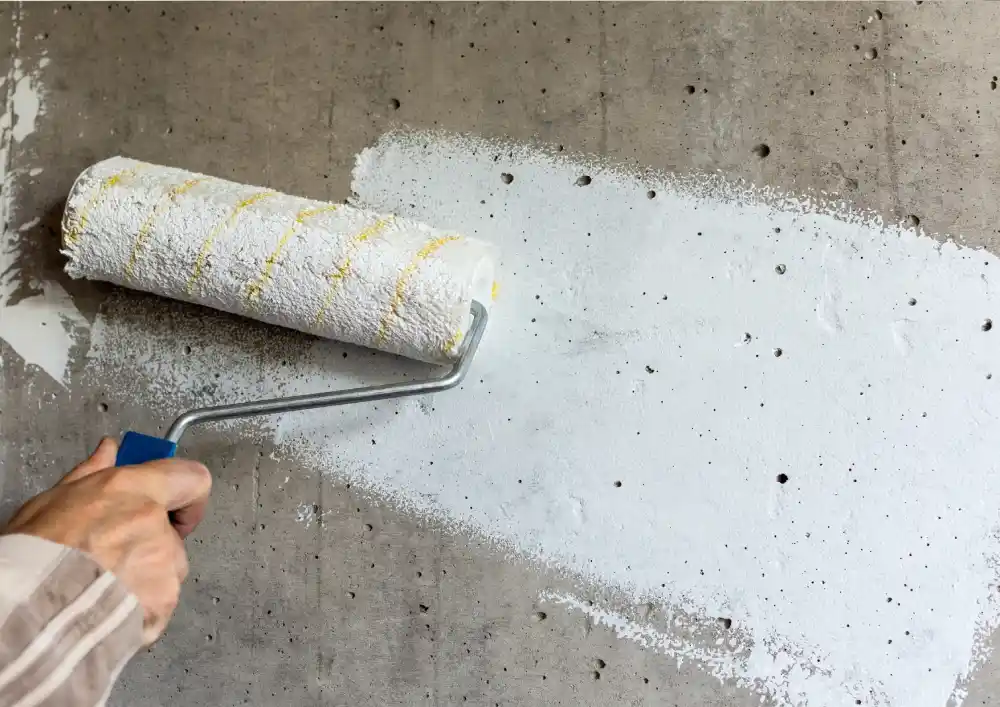
Before you start painting, ensure your surface is flawless. Explore our professional concrete repair services in the Toronto area
Preparing the Concrete Surface
-
Before painting, the concrete surface must be clean and free of debris, dirt, and grime.
-
Be sure to prepare the entire space, including edges and corners, to ensure an even and durable finish.
-
Use a pressure washer to clean exterior concrete surfaces, and a degreaser to remove grease and oil stains.
-
Fill any cracks or imperfections with a concrete repair material, and wait for it to dry completely before moving on to the next step.
-
Use a concrete sealer to protect the surface from moisture and stains, and to create a smooth surface for painting.
-
For interior concrete surfaces, use a fast drying concrete primer to create a strong bond between the concrete and the paint.
Concrete Repair and Maintenance
Proper repair and maintenance are essential for keeping your concrete surfaces looking their best and ensuring a long-lasting, durable finish. Before you start painting, take the time to inspect your concrete surface for any cracks, holes, or imperfections. Use a concrete crack filler or a fast-setting hydraulic cement to fill and repair these areas, then sand or grind the surface to achieve a smooth finish. This step is crucial for creating a solid foundation for your concrete floor paint and helps prevent future issues like peeling or flaking.
Once your surface is smooth and ready, regular maintenance will help protect your investment. Cleaning your garage floors, exterior concrete, and other surfaces regularly removes dirt, stains, and debris that can wear down the finish. Applying a concrete sealer after painting will help resist moisture, protect against stains, and extend the life of your painted surface. For high-traffic areas like garages, more frequent maintenance and resealing may be necessary to maintain durability and keep your floors looking fresh. By staying on top of repairs and maintenance, you’ll ensure your concrete surfaces remain protected, attractive, and long lasting.
For maximum durability, especially in high-traffic areas, consider a specialized coating. Read our ultimate guide to garage floor coatings to explore stylish and long-lasting options.
Choosing the Right Paint
-
When choosing a paint for your concrete surface, consider the level of traffic and wear it will receive.
-
For high-traffic areas, such as garage floors, use a durable and epoxy-based paint that can resist stains and wear.
-
For low traffic areas, such as interior floors, use a water-based paint that is easy to apply and clean up. When selecting a paint product, also consider the price and warranty coverage, as these factors can affect the overall value and protection you receive.
-
Consider the color and finish you want to achieve, and choose a paint that is specifically designed for concrete surfaces.
-
Look for paints that are labeled as “concrete floor paint” or “masonry paint” for the best results.
After you purchase concrete paint, remember to keep your proof of purchase, such as a receipt, as it may be required for warranty purposes.
Painting Specific Surfaces
Different concrete surfaces require different approaches to achieve the best results. When painting garage floors, exterior concrete, or interior walls, it’s important to select a concrete floor paint that’s specifically formulated for the type of surface and level of use. For high-traffic areas such as garages, choose an epoxy-based floor paint for maximum durability and resistance to wear. In low traffic areas like bathrooms or porches, a water-based paint can provide a smooth surface and is easy to apply and maintain.
Preparation is key for all surfaces. For wood surfaces adjacent to concrete, always use a primer to ensure the paint adheres properly and creates a uniform finish. If your concrete surface has accumulated debris or grease, be sure to clean it thoroughly before painting to help the paint stick and achieve a long lasting result. By matching the right paint and preparation method to each specific surface—whether it’s a garage floor, exterior walkway, or interior wall—you’ll achieve a beautiful, durable finish that stands up to daily use.

Applying a Primer and Paint
Before you paint concrete, it is essential to apply a primer to the surface to create a strong bond and ensure better adhesion. Use a roller for large areas and a brush to cut in around edges and corners, making sure to completely cover the entire concrete surface. It is recommended to apply two coats of paint, always allowing the first coat to dry completely before applying the second coat. Use a high-quality paint specifically designed for concrete surfaces and follow the manufacturer’s instructions for application and drying times. Ensure the surface is completely dry and free of dust and debris before you begin. A proper application of paint forms a protective coating that enhances durability and resistance to moisture and stains.
Sealing the Painted Surface
After the final coat of paint is dry, you should apply a clear concrete sealer to protect the surface from stains and wear. You can choose a water-based or solvent-based sealer, depending on the type of paint used and the level of protection needed. Always apply the sealer according to the manufacturer’s instructions and make sure it is completely dry before using the surface. A clear sealer not only provides a long-lasting and durable finish but can also enhance the color and finish of the paint.
Safety Precautions and Tips
When painting and working with chemicals, always wear protective gear such as gloves and safety glasses. Ensure the area is well-ventilated, using a respirator if necessary, and follow all manufacturer’s instructions for application and drying times to avoid slips and falls. Use drop cloths or tarps to protect surrounding surfaces from any spills or stains.
Common Mistakes to Avoid
Several common mistakes can compromise your project. The most frequent is not properly preparing the concrete surface, which leads to a poor bond and uneven finish. Using the wrong type of paint for the surface can cause early peeling and flaking. Another critical error is not applying a primer, resulting in poor adhesion. Furthermore, not allowing the paint to dry completely between coats can leave a sticky or tacky finish. Finally, failing to use a clear sealer leaves the surface vulnerable to stains and wear.
Troubleshooting and Touch-ups
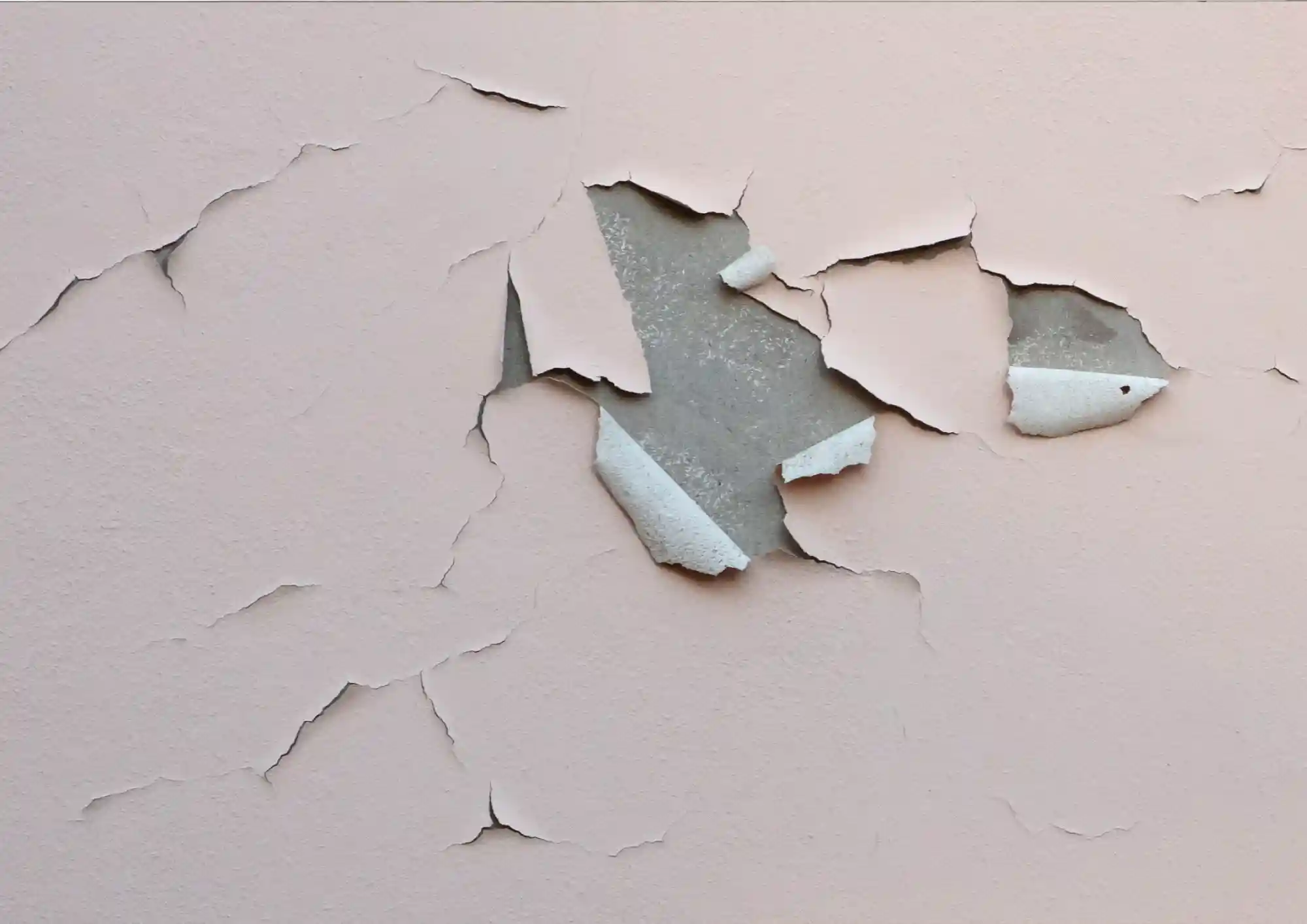
Even with careful preparation and application, issues can sometimes arise when painting concrete surfaces. Common problems include peeling, cracking, or uneven color on your painted surface. If you notice peeling, it’s often due to insufficient surface preparation or skipping the primer. To fix this, clean the area thoroughly, reapply a suitable primer, and then add a fresh coat of concrete floor paint. Cracking can be a sign of excess moisture or movement in the concrete; applying a concrete sealer can help resist moisture and prevent further damage.
For uneven color or thin spots, simply apply a second coat of paint once the first coat is completely dry. Regular touch-ups are a great way to maintain the appearance and durability of your painted floors and surfaces. Keep a touch-up kit handy for quick fixes, and always follow the manufacturer’s instructions for best results. By addressing issues promptly and maintaining your painted surfaces, you’ll enjoy a long lasting, durable finish that keeps your concrete looking its best.
Drying and Curing Times
-
Allow the paint to dry completely between coats, according to the manufacturer’s instructions.
-
Make sure the surface is completely dry and free of dust and debris before applying a clear sealer.
-
Follow the manufacturer’s instructions for drying and curing times, and take necessary precautions to avoid damage to the surface.
-
Use a fan or dehumidifier to speed up the drying process, if necessary.
Have questions about which products to choose or how to handle your project? Contact our experts today
Conclusion
Painting concrete surfaces can be a challenging but rewarding project when you use the right techniques and materials. By following the steps outlined in this guide, you can achieve a smooth, even finish that is both durable and long-lasting. Remember to always prepare the surface properly, choose the right paint, and apply a clear sealer to protect the final coat.
With the right care and maintenance, your painted surface can look great for years to come. Using a concrete sealer not only extends the life of the paint but also makes cleaning and upkeep significantly easier.
FAQ – Frequently Asked Questions
What paint is best for concrete?
The best options are epoxy paints and acrylic latex masonry paints. Epoxy is extremely durable, making it ideal for high-traffic floors like garages. Masonry paint is best for exterior walls and surfaces due to its flexibility and resistance to weathering.
Can I paint directly onto concrete?
It is not recommended. For proper adhesion and a long-lasting finish, concrete must be thoroughly cleaned, degreased, and primed before painting. Painting directly onto an unprepared surface will quickly lead to peeling and flaking.
How long will concrete paint last?
A high-quality concrete paint job can last 5 to 10 years or more. Durability depends heavily on proper surface preparation, the quality of the paint, the amount of foot or vehicle traffic, and exposure to moisture and sunlight.
Do I need special paint to paint concrete?
Yes, absolutely. Standard interior paint will not adhere properly to concrete’s porous and alkaline surface. You need a paint specifically formulated for masonry, which is designed to bond with the concrete and resist moisture and efflorescence.
Can I paint a concrete driveway?
Yes, but it requires an extremely durable, specialized paint. Look for a two-part epoxy or a polyurethane paint designed for driveways, as it must withstand the weight of vehicles, hot tire pickup, UV rays, and chemical spills. Standard concrete floor paint is usually not strong enough.