GTA & Toronto Concrete Repair | Expert Contractors at TCRPro

Need to repaint your basement floor? This guide covers everything from prep work to applying the final coat on your basement floor. You’ll learn how to fix cracks, clean and etch the concrete, and ensure a lasting finish when you repaint basement floor surfaces.

Key Takeaways
-
Inspect and repair cracks before painting to ensure a smooth surface and prevent future damage.
-
Thoroughly clean and etch the basement floor for optimal paint adhesion and a long-lasting finish.
-
Use safe painting practices, including proper ventilation and wearing protective gear, to enhance safety during the project.
Introduction to Concrete Basement Floor Painting
Painting a concrete basement floor is one of the most effective ways to upgrade your basement and add both style and durable to the space. Whether you want to brighten up a dark concrete basement or simply refresh an old, worn surface, the right concrete paint can make a dramatic difference. Basement floor paint is specially formulated to withstand the unique challenges of basement environments, including moisture and heavy foot traffic.
Before you start your painting project, it’s important to understand the process from start to finish. Proper surface preparation is the foundation of a successful paint job—this means cleaning, repairing, and priming the concrete basement floor to ensure the paint adheres well and lasts for years. Choosing a high-quality floor paint designed for concrete is also essential for achieving a durable, attractive finish.
Throughout this guide, you’ll learn the key steps to transform your basement floor, from selecting the best paint to applying it with the right techniques. With careful planning and attention to detail, you can turn your basement into a more inviting and functional space with a fresh coat of paint.
Inspect and Repair Cracks

Before starting the painting process, inspect the basement floor for any visible cracks or damage. Cracks can significantly affect the final paint application, leading to uneven surface and potential peeling. Extensive cracks may require professional evaluation and repair.
A concrete repair compound works well for minor cracks. Carefully fill the cracks with the compound using a trowel, ensuring a smooth and sealed surface on the concrete floor. This step not only prepares the floor for painting but also helps prevent future damage.
After repairing the cracks, the complete concrete basement floor is ready for the next steps.
[READ MORE] Top Sealant for Concrete: Enhance and Protect Your SurfacesRemoving Efflorescence from Basement Floors
Efflorescence is a common challenge when working with concrete basement floors. It appears as white, powdery salt deposits on the surface and can interfere with the adhesion of basement floor paint. Removing efflorescence is a critical step in the painting process to ensure a smooth, long-lasting finish.
To tackle efflorescence, start by applying a concrete cleaner specifically designed for this issue. Use a stiff brush to scrub the affected areas thoroughly, making sure to remove all visible deposits. After scrubbing, rinse the floor with clean water and allow the surface to dry completely before moving on to the next step. This ensures that the floor paint will bond properly to the concrete.
It’s also important to address the root cause of efflorescence, which is often excess moisture in the basement. Improve ventilation by opening windows or using fans, and consider running a dehumidifier to keep moisture levels in check. By removing efflorescence and controlling moisture, you’ll create the ideal surface for painting and help protect your basement floors for years to come.
Clean the Basement Floor Thoroughly

A clean surface is crucial for a successful paint job. Follow these steps:
-
Sweep and vacuum the entire basement floor to eliminate dirt and debris.
-
Use a scraper to remove any old, flaking paint before proceeding.
-
Use a stiff-bristled scrub brush with hot water, a mild soap, and a suitable concrete cleaner to remove any remaining dirt and stains.
Once you’ve scrubbed the floor, rinse it thoroughly with clean water to ensure all detergent residues are gone. This ensures the new paint adheres properly to the concrete surface. With the floor clean and smooth, proceed to the etching process.
Etch the Concrete Surface
Etching the concrete surface ensures strong paint adhesion by:
-
Creating a rough texture that helps the paint bond effectively to the concrete.
-
Using modern etching solutions like DRYLOK®, which are safer alternatives to muriatic acid.
Providing effective cleaning without hazardous fumes.
Start by testing the etching solution on a small area to ensure it reacts correctly. Once confirmed, apply the solution evenly across the gray floor. Properly etched concrete should feel like medium sandpaper, indicating readiness for painting.
This preparation step ensures a fresh coat and durable, long-lasting paint job.
Creating a Smooth Surface
Achieving a smooth surface is an important step in preparing your concrete basement floor for painting. Start by carefully inspecting the floor for any cracks or uneven spots. Fill any cracks with a suitable concrete repair compound, making sure to smooth the material so it blends seamlessly with the rest of the floor. Allow the repairs to dry completely before moving forward.
Next, apply a coat of primer to the entire basement floor using a paint roller for large areas and a paint brush for edges and corners. The primer helps create a uniform surface and improves the adhesion of your basement floor paint. Let the primer dry completely, as this is essential for a durable and professional-looking finish.
When you’re ready to paint, use a paint roller to apply the first coat of paint in even, overlapping strokes. Work in manageable sections to maintain consistent coverage. For edges and tight corners, use a paint brush to ensure every part of the floor is covered smoothly. Allow each coat to dry completely before applying additional coats as needed. With careful preparation and the right tools, you’ll achieve a smooth, attractive, and long-lasting finish on your concrete basement floor.
Apply Painter’s Tape
Painter’s tape helps achieve clean, sharp edges and prevents paint from bleeding onto adjacent surfaces. Apply tape to the edges and around fixtures or walls to save time on touch-ups later. Make sure the surface is clean and dry for optimal adhesion.
Painter’s tape comes in various colors, so choose the one that best suits your needs. Wider tape can be especially useful for covering rough textures and ensuring a neat finish. With the tape in place, apply the primer.
Prime the Basement Floor
Priming ensures the paint adheres properly and provides a smooth finish. Use a primer suitable for concrete floors and apply it from the walls farthest from the door towards the exit, using long strokes. This ensures you won’t paint yourself into a corner.
Let the primer dry for at least 24 hours before applying paint. Address any bubbles or puddles by using a mostly dry roller to smooth them out. Use a mostly dry roller to smooth them out by rolling over them. Once the primer is dry and the surface smooth, apply the basement floor paint.
Mix and Apply Basement Floor Paint
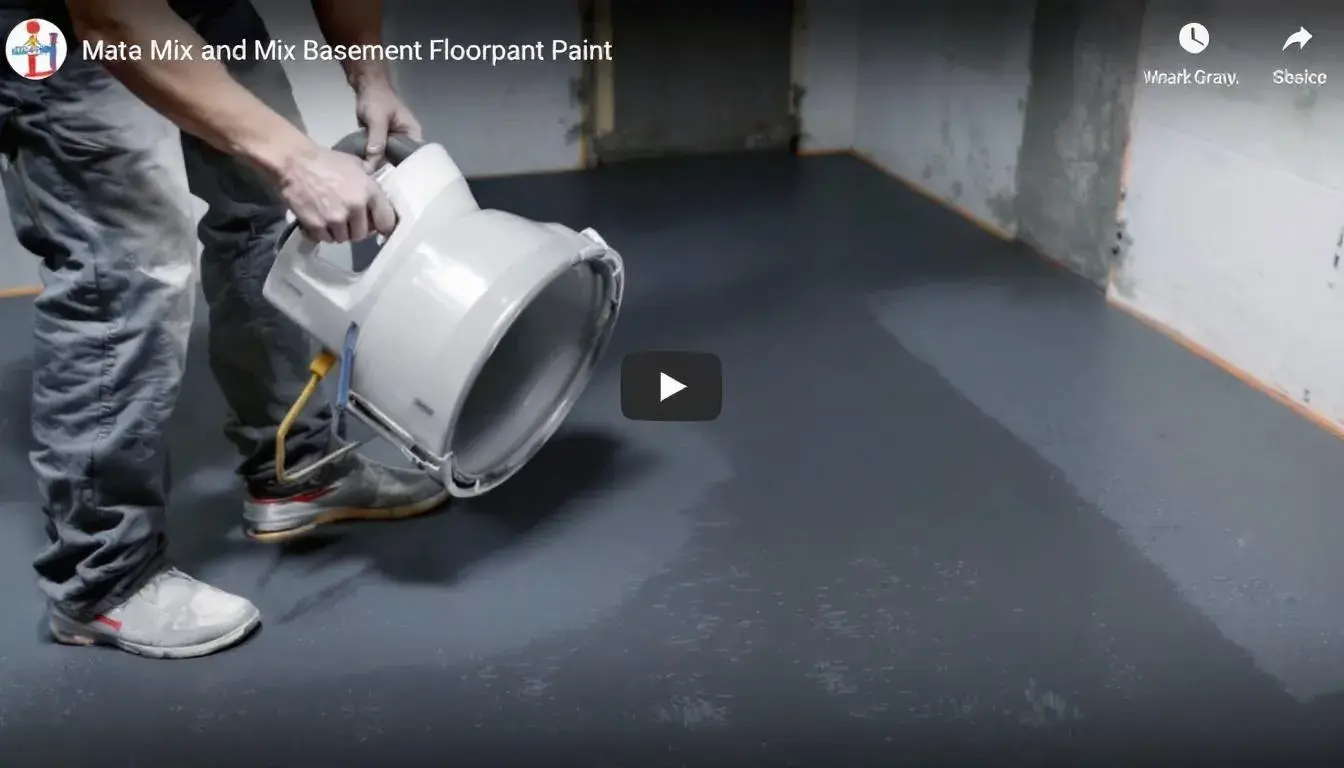
When using two-part epoxy paints:
-
Mix only what you can use quickly to avoid premature hardening.
-
Use long, even strokes with a paint roller or paint brush to achieve a smooth finish.
Work in a well-ventilated space.
-
Maintain a temperature between 50°F and 90°F for the best results.
Basement floor paints are available in various colors, so you can customize the look of your space to match your style.
Let the first coat dry completely before adding a second coat. Drying times can vary with humidity; ensure the first coat is fully dry to the touch. This ensures a strong and durable finish for your basement floor.
Allow First Coat to Dry Completely
Patience is key for painting. Follow these guidelines:
-
Let the first coat dry completely before applying the second coat.
-
Drying time typically ranges from 12 to 24 hours, depending on humidity and ventilation.
Wait at least 4-6 hours before considering a second coat.
Inspect the floor for any imperfections during this time. Smooth out any imperfections with sanding or scraping to ensure a flawless sanded second coat. This attention to detail results in a professional-looking finish.
Apply Second Coat of Paint
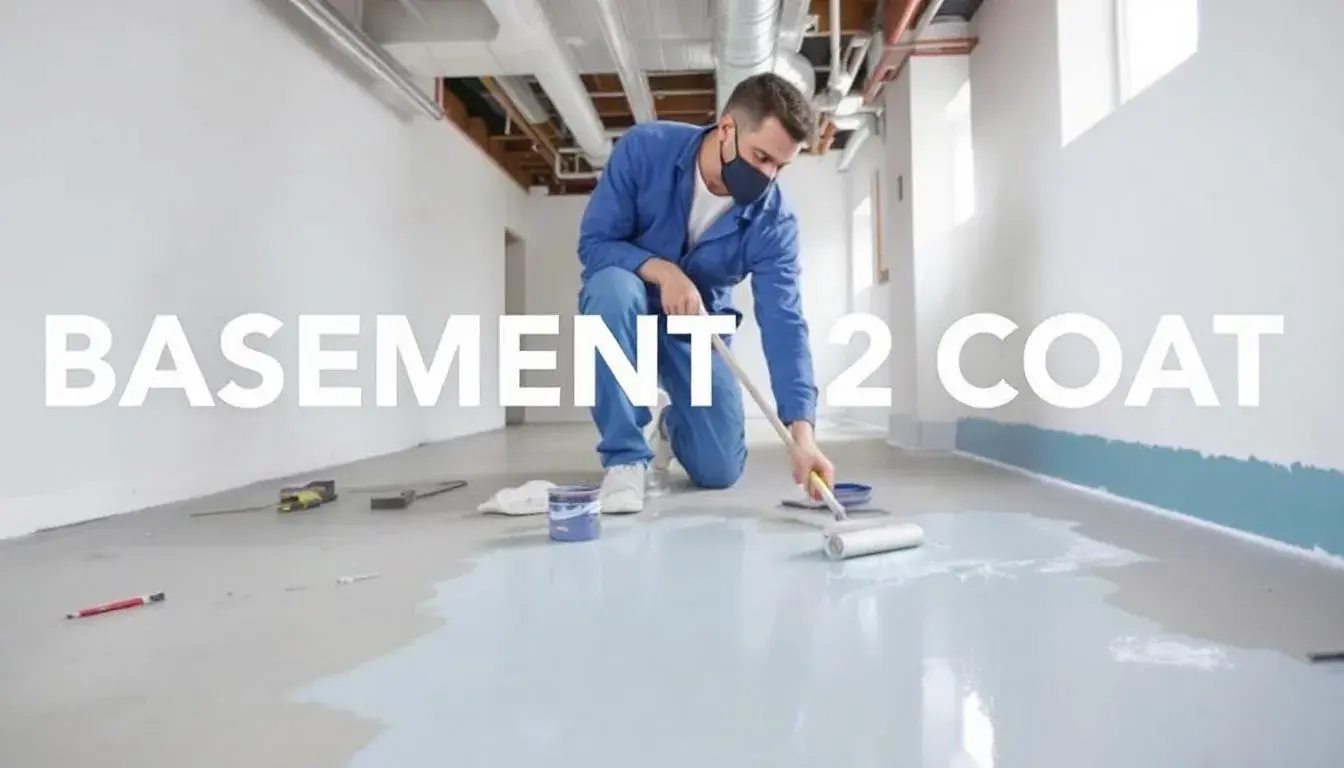
After the first coat is fully cured, apply the second coat of paint. Begin from the far end of the room and work towards the exit to avoid stepping on the freshly painted surface. Apply the second coat in a criss-cross pattern for even coverage and a uniform finish.
A flat finish is a popular choice for basement floors, as it provides a smooth, seamless, and non-reflective appearance that is ideal for high traffic areas.
Limit the application to two coats to prevent paint failure and ensure the best results. The second coat enhances the durability and appearance of your basement floor, making it look pristine and professional.
Safety Considerations During Painting
Prioritize safety during any painting project. Wear gloves and safety glasses to protect against paint splashes and dust. In a critical confined basement, use an N95 mask respirator to guard against harmful fumes.
To ensure safety and proper conditions during painting:
-
Ensure proper ventilation by opening windows and using fans to promote good airflow and reduce fume exposure. Using fans or dehumidifiers can also increase the speed of drying, especially in humid environments.
Avoid drop cloths that may become slippery from paint spills.
Refrain from using space heaters due to their flammability.
-
Maintain a room temperature between 50°F and 90°F to expedite the drying process.
Humidity levels affect drying times. If humidity is high, extend drying times to ensure the paint sets properly and is completely dry. Following these safety tips ensures a safe and effective painting project.
Moisture Control Tips
Controlling moisture in your basement protects your freshly painted floor and ensures it lasts. Proper soil grading around the foundation prevents water accumulation near the basement. Downspouts with extensions help divert rainwater away from the foundation.
A vapor retarder can slow moisture movement through concrete walls and floors. For persistent moisture issues, use a dehumidifier, especially during the paint drying process.
Treat efflorescence with a mixture of white vinegar and water to prevent damage to the painted surface.
When to Call a Professional
Sometimes calling a professional is the best course of action. Excessive moisture issues or numerous cracks may indicate underlying structural problems. Professionals can offer specialized solutions to ensure the integrity and longevity of your painted basement floor.
If you lack time for a DIY project, hiring a professional can save you time and ensure a high-quality finish.
How Often to Repaint Basement Floors
The longevity of your painted basement floor depends on various factors:
Epoxy paint usually lasts between 10 to 20 years.
-
High traffic areas may reduce this lifespan to around 10 years.
-
Wear and tear from regular use, such as foot traffic, moving furniture, or dropped objects, can also shorten the lifespan of the paint.
-
A high-quality coating applied correctly can significantly enhance durability.
Regular maintenance and touch-ups can extend the life of your flooring. Keeping the floor clean and addressing minor damages promptly will maintain its appearance and functionality for years to come.
Summary
Repainting your basement floor is a rewarding project that can transform a dull space into a vibrant and functional area. By following the steps outlined in this guide, from inspecting and repairing cracks to applying the final coat of paint, you can achieve a professional-looking finish that lasts. Each step, though meticulous, ensures the longevity and durability of your painted basement floor.
Remember, the key to a successful painting project lies in preparation and patience. Taking the time to properly clean, etch, and prime the surface before painting will pay off in the long run. With these tips in mind, you’re well on your way to revitalizing your basement floor and enjoying a fresh, new look.
Frequently Asked Questions
What should I do if my basement floor has extensive cracks?
If your basement floor has extensive cracks, it’s crucial to consult a professional for evaluation and repair to maintain the floor’s integrity. Addressing these issues promptly can prevent further damage and ensure safety.
How long should I wait before applying the second coat of paint?
You should wait at least 12 to 24 hours for the first coat to dry completely before applying the second coat of paint. This ensures optimal adhesion and a smooth finish.
What is the best way to ensure paint adhesion to the concrete floor?
To ensure optimal paint adhesion to a concrete floor, etch the surface to create a rough texture, which enhances bonding. This preparation step is essential for achieving a durable finish.
How can I control moisture in my basement to protect the painted floor?
To effectively control moisture in your basement and protect your painted floor, ensure proper grading, extend downspouts away from the foundation, and install a vapor retarder. These steps will significantly reduce moisture levels and maintain the integrity of your flooring.
How often should I repaint my basement floor?
Repainting your basement floor is generally needed every 10 to 20 years, depending on traffic and maintenance. Regular upkeep can extend the life of your floor’s finish.