GTA & Toronto Concrete Repair | Expert Contractors at TCRPro

Top Benefits of Epoxy Basement Floor Coating
Curious about basement floor coating? This article explains why epoxy coatings are a top choice. Learn about their benefits in moisture resistance, durable performance, and ease of maintenance.
Discover Professional Flooring Services NowKey Takeaways
-
Epoxy flooring offers excellent moisture resistance, creating a vapor barrier that helps maintain a dry environment and improve indoor air quality.
-
Known for its durability, epoxy flooring can last 10 to 20 years, with proper maintenance, making it a cost-effective solution for basement floors.
-
Easy to maintain and install, epoxy coatings provide aesthetic appeal through a variety of colors and finishes, transforming basements into inviting spaces.
Moisture Resistance

One of the standout features of epoxy flooring is its exceptional resistance to moisture, making it an ideal choice for basements prone to dampness. When applied correctly, epoxy acts as a vapor barrier, significantly reducing the chances of moisture seeping through the concrete and causing issues like mold growth and poor indoor air quality. Unlike carpets, which can trap humidity and promote mold and organic growth in damp environments, epoxy coatings provide a superior solution for basement flooring. The application of moisture vapor barriers further enhances this protective quality, ensuring that both the concrete and the epoxy coating remain unaffected by trapped moisture.
Epoxy formulations often include additives specifically designed to boost moisture resistance. These additives work in conjunction with the epoxy to create a robust barrier against dampness, which is crucial for maintaining a dry and healthy basement environment. Epoxy flooring is also mold resistant, making it especially beneficial for basements where moisture and poor ventilation can otherwise lead to mold problems. Reducing moisture levels with epoxy flooring not only prevents mold but also enhances overall indoor air quality, creating a safe and comfortable environment for your family.
Enhanced Durability
Get Waterproof Basement Coatings Today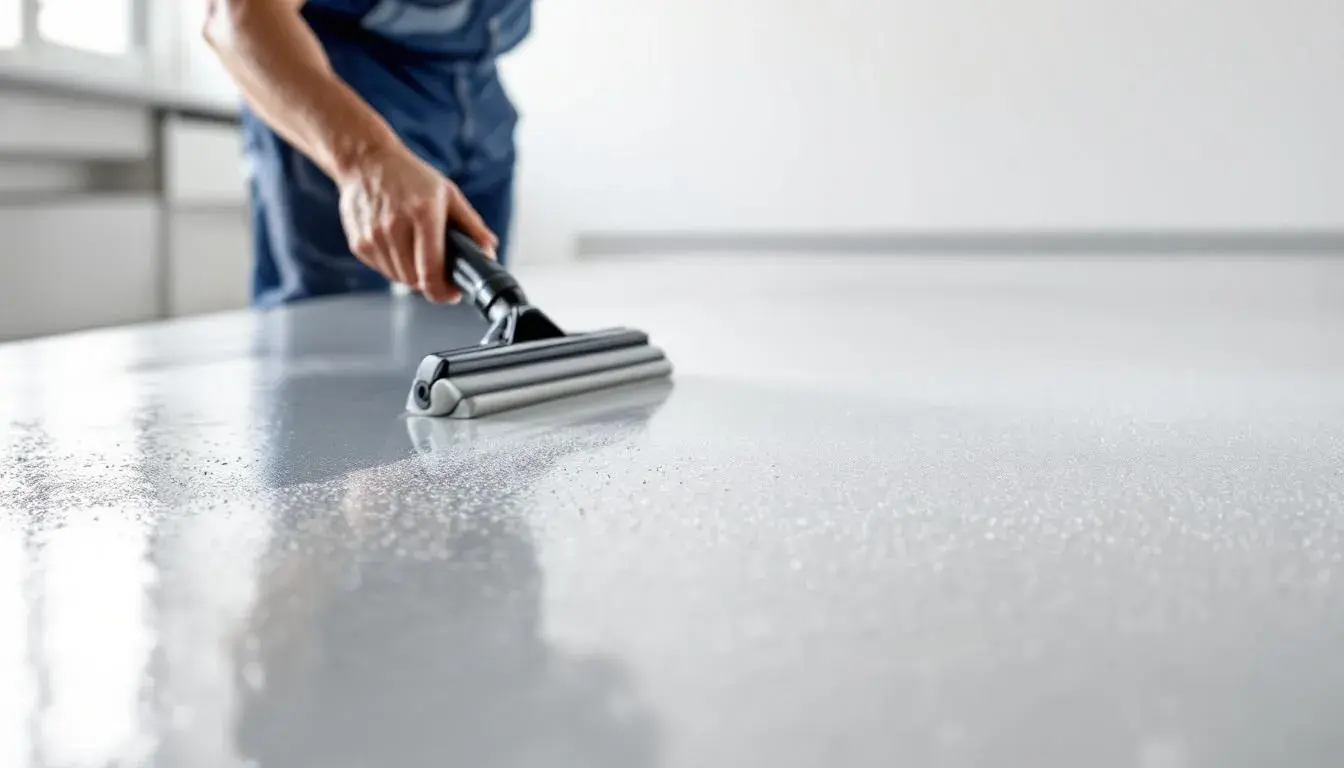
Epoxy flooring is renowned for its durability, with residential basement floors lasting anywhere from 10 to 20 years. This longevity is due to epoxy’s resistance to common forms of wear and tear, such as scuffing, fading, cracking, peeling, and blistering. Epoxy floors can also withstand the movement of furniture and appliances without damage, making them an excellent choice for basements that may see heavy use or need to withstand significant weight and traffic.
While epoxy is undoubtedly durable, polyaspartic coatings offer an even higher level of durability, often lasting up to four times longer than epoxy. Advantages of polyaspartic coatings include:
-
Can be applied in a wider variety of conditions and cure faster, enhancing their practicality and resilience.
-
Penetrate deeper into the concrete, forming a stronger bond.
-
Provide superior protection against wear and tear.
For those seeking the utmost in durability, polyaspartic coatings are a compelling alternative to consider.
Easy Maintenance
Maintaining epoxy floors is a breeze, which is one of their most appealing features. Key maintenance benefits include:
-
Water-resistant nature allows spills to be quickly spot-cleaned with clean water.
-
Floors require only occasional sweeping to remain tidy.
-
Resistance to chemical spills adds convenience to maintenance.
Overall, these floors are easy to clean and require minimal upkeep to maintain their durability and aesthetics.
Maintaining epoxy floors in top condition involves following a simple cleaning routine that includes using soap and clean water. Regular sweeping and occasional scrubbing with appropriate cleaning equipment preserve the smooth finish and prevent scratches.
Harsh chemicals like citrus or vinegar cleaners should be avoided as they can damage the epoxy finish. By following these straightforward maintenance practices, your epoxy floors will remain beautiful and durable for years.
Aesthetically Pleasing
Explore Expert Driveway and Patio SolutionsEpoxy flooring is not just practical; it’s also incredibly aesthetically pleasing. It can transform dark, dreary basements into bright, inviting spaces with its smooth, shiny finish. Epoxy coatings come in a wide range of hues, allowing homeowners to choose colors that complement their decor and create a cohesive look throughout the basement. Patterns can also be incorporated using multiple colors of epoxy, adding visual interest and uniqueness to the space.
While epoxy offers a bright and glossy appearance, polyaspartic coatings can provide even better color uniformity and a longer-lasting finish. This makes polyaspartic an excellent option for those who prioritize long-term aesthetics and want to ensure their basement floors remain vibrant and attractive over time.
Whether you choose epoxy or polyaspartic, both options deliver a stunning transformation that enhances the overall look and feel of your basement.
DIY Installation
One of the great advantages of epoxy floor coatings is that they can be installed as a DIY project, making it an accessible option for many homeowners. However, it’s crucial to ensure that the epoxy coatings chosen are suitable for residential applications and to follow the manufacturer’s instructions carefully to achieve the best results. Proper preparation, such as cleaning the surface and ensuring it is free of dust and debris, is essential for a successful installation. Be sure to remove any loose or scaling material from the floor before applying epoxy to promote proper adhesion. After cleaning, rinse the floor thoroughly with clean water to remove any remaining residue. Epoxy coatings are suitable for masonry surfaces such as concrete, stone, and brick, provided these surfaces are properly prepared.
During the application process, it’s important to ventilate the area by opening windows and wearing protective gear, such as respirators and gloves, to avoid exposure to any harmful fumes. Adhering to these guidelines allows homeowners to achieve a professional-quality finish on their epoxy floors, enhancing both beauty and functionality in their basements without the need for costly professional installation.
Health and Safety Benefits
Epoxy coatings offer several health and safety benefits, making them a wise choice for basement floors. One significant advantage is their ability to seal old paint, which helps minimize lead exposure and reduce the release lead dust. This is particularly important in older homes where lead-based paint may have been used. During the application of epoxy basement floor coatings, it’s recommended to wear a respirator, turn off HVAC systems, and open windows to ensure proper ventilation and protect against inhaling potentially harmful fumes.
Once cured, epoxy is safe for the entire family, providing a durable and non-toxic surface that doesn’t contribute to landfill waste. This makes epoxy an environmentally friendly option that supports a healthier living environment.
Choosing epoxy flooring protects families from serious illness and brain damage associated with lead exposure, while also providing a safe, durable, and easy-to-maintain floor. For more information, contact the national lead information hotline.
Cost-Effective Solution
Epoxy flooring is a cost-effective solution for homeowners looking to enhance their basement floors. The price of epoxy flooring for a 1,000 sq. ft. area can range from $2,000 for DIY options to as much as $15,000 for high-performance installations. Factors like surface preparation, the number of coats required, and the choice between DIY and professional installation can influence the overall cost. Despite the initial investment, epoxy flooring is considered worthwhile due to its durability, low maintenance requirements, and resistance to stains and chemicals.
Solid epoxy flooring typically costs between $3 and $12 per square foot, making it an affordable option for large areas. DIY epoxy flooring generally ranges from $2 to $5 per square foot, while professional installation can cost between $3 and $10 per square foot.
This cost-effective nature, coupled with its long-lasting benefits, makes epoxy flooring a smart investment for any basement project.
Epoxy vs. Polyurea vs. Polyurethane
When choosing a basement floor coating, it’s essential to understand the differences between epoxy, polyurea, and polyurethane. Epoxy flooring offers several advantages:
-
It can mimic the look of natural materials like marble or granite, providing a luxurious appearance at a fraction of the cost.
-
Epoxy coatings are available in metallic finishes that add depth and dimension to the floor, enhancing the overall aesthetic appeal.
-
The glossy finish of epoxy flooring reflects light, making the space feel larger and more inviting.
Polyurea and polyurethane coatings offer unique benefits that may make them more suitable for certain applications:
-
Polyurea is known for its rapid curing time.
-
It has exceptional durability, often outlasting epoxy by a significant margin.
-
It performs well in a wider range of surface temperatures, making it versatile for various environments.
Polyurea and polyurethane are also popular choices for garage floors because they provide outstanding durability and resistance to chemicals, abrasions, and heavy use, ensuring long-lasting protection in demanding environments.
Polyurethane coatings provide excellent UV stability, which prevents yellowing and maintains color uniformity over time. This makes them ideal for spaces with significant sunlight exposure.
Each type of coat has its strengths, and the best choice depends on the specific needs of the project. For homeowners seeking a balance of cost, aesthetics, and durability, epoxy flooring is a fantastic option. However, for those who prioritize rapid installation and extreme durability, polyurea or polyurethane may be the better choice.
New Concrete vs. Old Concrete
Applying epoxy to new concrete requires a different approach than applying it to old concrete. Key points to consider include:
-
New concrete surfaces must be completely dry.
-
Ideally, the concrete should be cured for at least 30 days before applying epoxy coatings to ensure proper adhesion and longevity.
-
RH (Relative Humidity) testing is the most reliable method for evaluating whether the concrete is ready by assessing moisture conditions.
-
If clean water is readily absorbed into the concrete, it indicates that the surface is suitable for epoxy coating.
For old concrete, preparation involves addressing any existing issues such as efflorescence, which are white, powdery deposits caused by water intrusion that must be removed before applying epoxy. This ensures a clean and smooth surface for the epoxy to bond effectively.
Both new concrete and old concrete require thorough surface preparation to achieve the best results and ensure the longevity of the epoxy coating.
Ensuring Color Uniformity
Achieving color uniformity across the entire basement floor is crucial for a professional-looking finish. To ensure color uniformity, consider the following methods:
-
Apply the second coat of epoxy in a direction that is perpendicular to the first coat.
-
Mix epoxy from multiple containers before application to achieve a consistent color throughout the surface.
-
Thoroughly mix the resin and hardener before application to maintain color uniformity.
Using products from the same batch for the entire project and allowing adequate drying time—typically a minimum of four hours—between coats ensures color consistency. Following these steps helps homeowners achieve a flawless, uniform finish that enhances the appearance of their basement floors.
Surface Preparation
Proper surface preparation is the foundation of a successful epoxy flooring project. The steps include:
-
Thoroughly cleaning the floor to remove dirt, oil, and grease using a degreaser.
-
Assessing the condition of the concrete floor to identify cracks, chips, and moisture issues.
-
Addressing any identified issues before proceeding.
-
Filling any cracks or holes with a concrete patching compound to ensure a smooth surface for the epoxy to bond effectively.
Etching the concrete surface with an acid-based solution creates a rough texture that enhances the epoxy’s adhesion. This step is essential for ensuring that the epoxy coating adheres properly and provides a durable finish. Proper surface preparation ensures a long-lasting and attractive epoxy floor.
Applying the First Coat

Applying the first coat of epoxy requires careful attention to timing and technique:
-
Once mixed, epoxy coatings should be applied within a two-hour window for optimal results.
-
Use a three-eighths-inch nap roller or a nylon polyester brush to apply a uniform coat of epoxy to the surface.
-
Allow a minimum of four hours for the first coat to dry before applying a second coat to ensure proper adhesion and a smooth finish.
For the best results, follow these epoxy application guidelines:
-
Apply more than one coat of epoxy.
-
Allow specific curing times of at least 12 hours between applications.
-
Apply the second coat at a perpendicular angle to the first coat to ensure color uniformity and a professional-looking finish.
Following these guidelines enables homeowners to achieve a high-quality and durable epoxy floor.
Adding the Top Coat
The top coat plays a crucial role in enhancing the durability and appearance of the epoxy floor. It provides a protective layer that helps maintain the floor’s glossy finish and shields it from wear and tear. To achieve the best results, it’s essential to mix the top coat according to the manufacturer’s specifications and apply it using a roller or squeegee for a smooth finish.
Proper curing time is critical to prevent defects and ensure the top coat adheres correctly. Wait for the base epoxy to cure fully before applying the top coat to help achieve a durable and long-lasting finish.
Adding a top coat significantly extends the life of epoxy floors and maintains their aesthetic appeal.
Routine Cleaning

Routine cleaning is essential to maintain the appearance and longevity of epoxy basement floors. Recommended practices include:
-
Using a soft dust mop or hepa vacuum to effectively remove dirt and grit, preventing scratches and abrasions.
-
Placing mats at entrances to trap dirt and moisture before it reaches the floor.
-
Performing regular dust mopping weekly to maintain the floor’s appearance and prevent damage.
When deeper cleaning is needed:
-
Avoid using citrus or vinegar cleaners as they can damage the epoxy finish.
-
Use diluted ammonia or Simple Green, which are safe for epoxy surfaces.
-
Clean up spills immediately to prevent potential staining and maintain safety.
Following these cleaning practices keeps epoxy floors looking pristine and prolongs their lifespan.
Addressing Wear and Tear
Even the most durable epoxy floors can experience wear and tear over time. Addressing scratches and gouges promptly is crucial to prevent moisture infiltration that could cause peeling. Routine cleaning and prompt repair of minor damages help maintain the floor’s appearance and extend its life.
For more significant repairs, professional maintenance services can provide necessary re-coating and repairs to ensure the epoxy flooring remains in excellent condition.
Preventing Lead Exposure
Epoxy coatings play an essential role in control lead exposure by sealing old paint and reducing the release lead dust. During installation, it’s important to wear eye protection and take precautions to avoid exposure, especially for pregnant women and children.
Following safety guidelines and using epoxy to cover old surfaces significantly reduces the risk of lead exposure and protects family health. For more information, you can contact the national lead information hotline.
Dealing with Moisture Problems
Managing moisture problems is critical when preparing a concrete surface for epoxy application. New concrete retains excess moisture that needs to evaporate for a minimum of 28 days before epoxy can be applied. Testing the moisture levels in new concrete ensures it is suitable for coating, as uneven moisture can lead to application issues. An effective way to test for trapped moisture in concrete is by taping a plastic or aluminum foil sheet to the floor for 24 hours and checking for condensation.
Keeping the floor dry and managing humidity levels is essential to prevent moisture vapor transmission, which can undermine the bond between epoxy and concrete and lead to bubbling or cracks in the epoxy layers. Addressing moisture issues before applying epoxy ensures a strong and lasting bond, enhancing the floor’s durability and appearance.
Summary
In summary, epoxy basement floor coatings offer numerous benefits that make them an excellent choice for homeowners. Their moisture resistance, enhanced durability, ease of maintenance, and aesthetic appeal make them a versatile and practical option for transforming basements. The cost-effectiveness of epoxy flooring, coupled with its long-lasting nature, further adds to its appeal as an investment in your home’s value and functionality.
By following proper preparation and application techniques, homeowners can achieve a professional-quality finish that enhances the overall look and feel of their basements. Whether you choose to install the epoxy floor yourself or hire professionals, the results will be a durable, safe, and beautiful space that serves your needs for years to come. Consider epoxy basement floor coatings for your next home improvement project and experience the transformative power of this remarkable flooring solution.
Frequently Asked Questions
How long does epoxy flooring last in a residential basement?
Epoxy flooring in a residential basement typically lasts between 10 to 20 years, contingent on usage and maintenance practices. Regular upkeep can significantly extend its lifespan.
Can I install epoxy flooring myself, or do I need a professional?
You can install epoxy flooring yourself, provided you adhere to the manufacturer’s instructions and ensure adequate ventilation during the process. However, if you’re uncertain about any step, hiring a professional may be advisable for optimal results. Discover Professional Flooring Services Now.
What are the main differences between epoxy, polyurea, and polyurethane coatings?
The main differences are that epoxy excels in aesthetics and durability, polyurea stands out for its longevity and fast curing time, while polyurethane is known for its UV stability and color uniformity. Each type serves distinct needs based on these properties.
How do I ensure color uniformity when applying epoxy?
To ensure color uniformity when applying epoxy, consistently mix epoxy from multiple containers prior to application and apply the second coat in a direction perpendicular to the first coat, using products from the same batch. This approach will help achieve a consistent finish.
What should I do to prepare my concrete floor for epoxy coating?
To effectively prepare your concrete floor for epoxy coating, ensure thorough cleaning, assess and repair any cracks or holes, and etch the surface to improve adhesion. This comprehensive approach will lead to a successful application.