GTA & Toronto Concrete Repair | Expert Contractors at TCRPro

Essential tips for effective repair of concrete surfaces
Need to repair concrete? Learn how to fix cracks, chips, and uneven surfaces through the repair of concrete. This guide explains the necessary tools and techniques for effective concrete repair. You’ll be able to restore your concrete easily and safely.
Key Takeaways
-
Identifying common concrete problems, such as cracks and uneven surfaces, is essential for timely and effective repairs to prevent further damage.
-
Utilizing the right tools and materials, including epoxy and patching compounds, is crucial to achieve durable and efficient concrete repairs.
-
Concrete repair is often more cost-effective than full replacement, allowing homeowners to save on overall expenses.
-
Safety precautions must be observed during concrete repairs, including wearing protective gear and handling tools properly to minimize the risk of injury.
Explore our professional concrete repair services in the Toronto area.
Identifying Common Concrete Problems
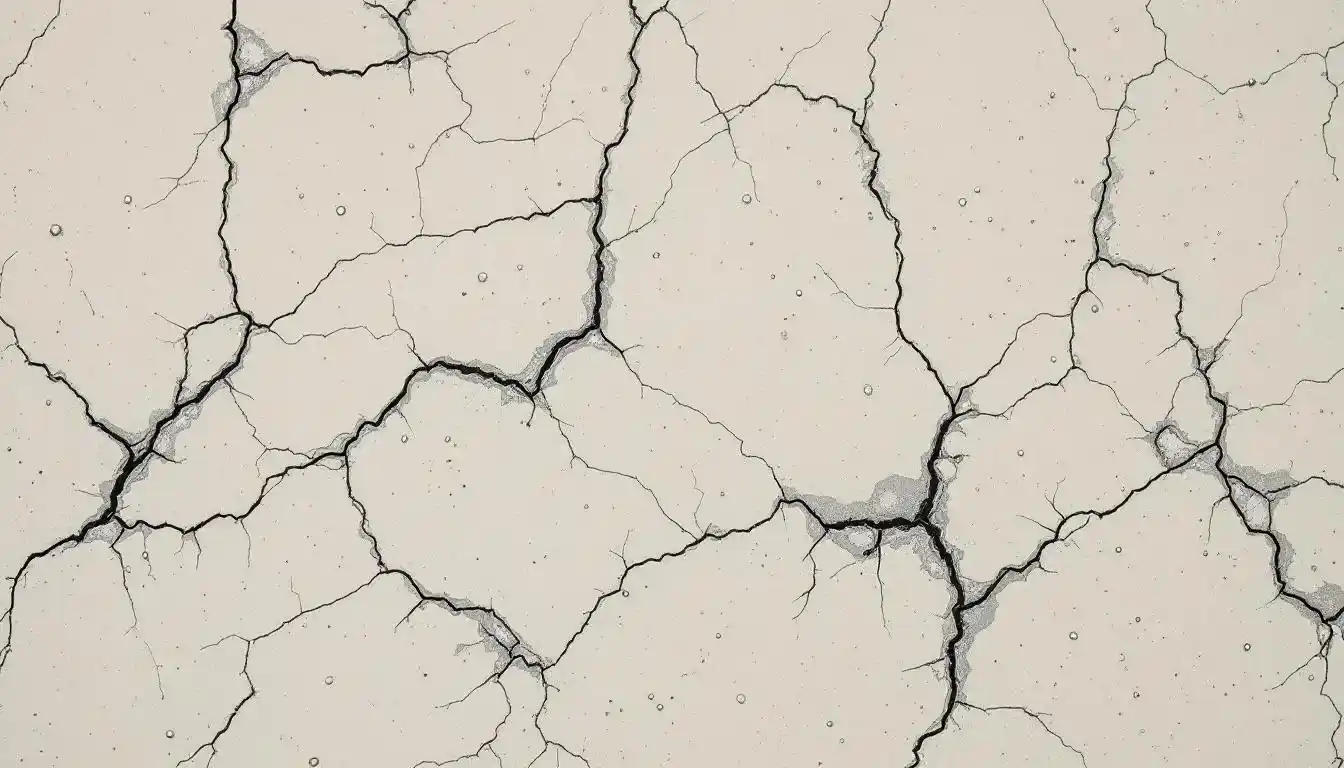
Concrete structures, despite their strength and durability, are not immune to damage. Common problems like cracking, chipping, and uneven surfaces often arise due to environmental factors and wear and tear over time. Damage can begin as minor cracks or mortar deterioration, which may develop into more serious issues if left untreated. Early identification of these material issues ensures that repairs are both effective and concrete’s durability is maintained.
Concrete surfaces are particularly susceptible to damage from weather conditions. Temperature changes can cause expansion and contraction, leading to cracks, while heavy loads and foot traffic can exacerbate these issues. Conducting a thorough inspection to uncover underlying issues is essential before starting repairs.
Recognizing the common problem affecting concrete’s integrity aids in timely repairs and prevents future damage. Examining these problems in detail helps in understanding their causes and implications better.
Cracks and Gaps
Cracks and gaps are among the most common issues in concrete surfaces. Horizontal cracks, especially in floors and driveways, can allow water intrusion and should be addressed promptly. These can result from freeze-thaw cycles, heavy traffic, and environmental factors. If left unattended, a crack can lead to more extensive damage, compromising the structural integrity of the concrete.
Timely repairs help mitigate further deterioration and maintaining the safety and appearance of the surfaces.
Chipping and Missing Chunks
Chipping and missing chunks are often caused by:
-
Impacts from heavy objects
-
Harsh weather conditions
-
Extreme temperature variations, which can lead to cracks and chipping as the concrete expands and contracts.
-
Deterioration or loss of mortar in joints or surface layers
Promptly addressing these issues maintains the integrity of the concrete surface and prevents further damage.
Uneven Surfaces
Uneven surfaces in concrete can occur due to soil settlement, ground movement, and erosion, posing significant safety hazards if left unaddressed. Such exposure can lead to trip hazards and further deterioration of the concrete.
Identifying and correcting these uneven surfaces ensures the safety and longevity of the concrete structure.
Learn more about the pros, cons, and maintenance of shiny concrete floors.
Essential Tools and Materials for Concrete Repair
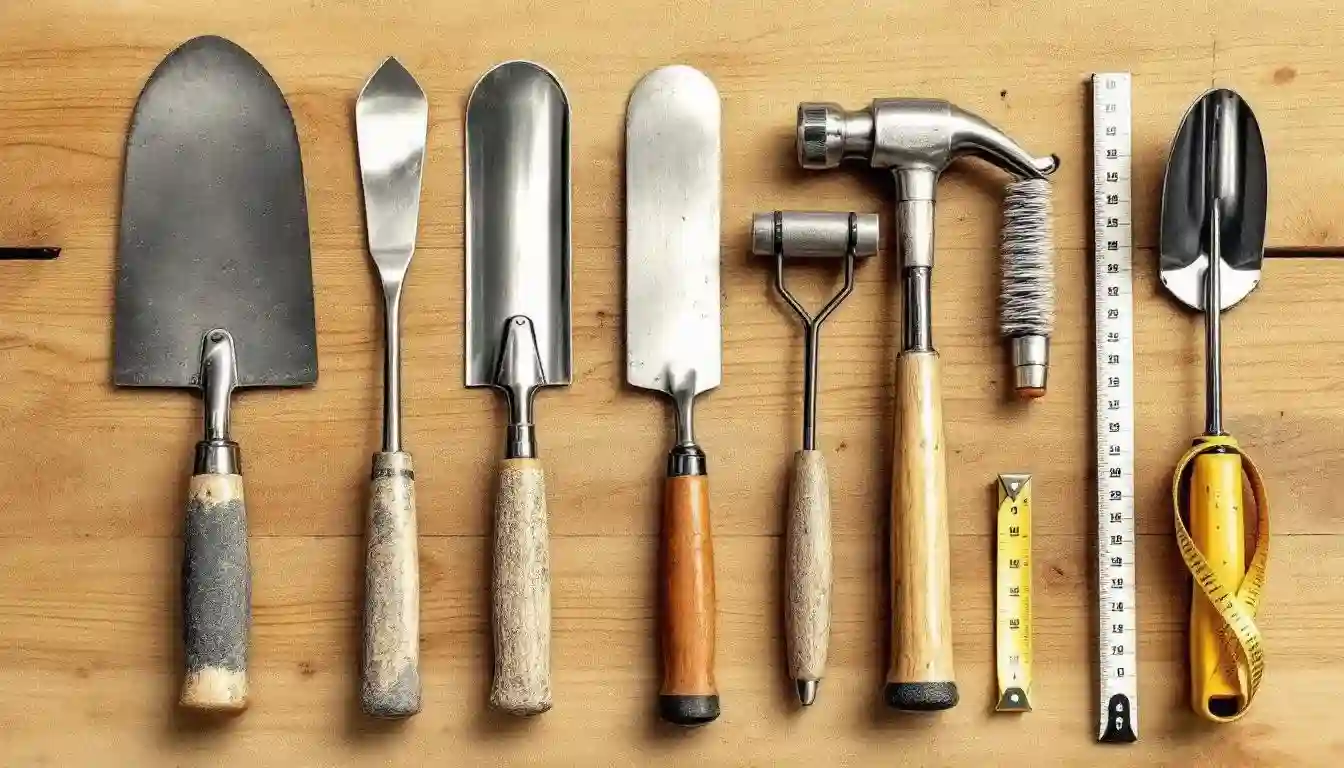
The right tools and materials are essential for successful concrete repairs. Modern methods prioritize the use of rapid-setting materials, enhancing efficiency and reducing downtime during repairs. The quality and durability of the repair work depend heavily on the tools and materials used.
Essential tools for concrete repair include:
-
Margin trowel: helps in applying and smoothing repair compounds
-
Hammer and chisel: used for removing damaged concrete
-
Caulking gun: ensures precise application of sealants and repair products
When it comes to materials, various concrete repair products are available to suit different repair needs. Many repair products come as a pre-mixed mix, eliminating the need for manual mixing and offering added convenience. Sand is often included in these repair compounds to improve consistency and strength. Selecting the right materials, such as epoxy repair compounds for strong bonding and patch products specifically designed for filling small cracks and holes, is key to achieving durable repairs.
Tools
Essential tools for repairing concrete surfaces include:
-
A margin trowel for applying and smoothing repair compounds
-
A chisel for removing damaged concrete and creating clean edges
-
A wire brush for cleaning and roughening the surface
-
A caulking gun for precise application of sealants.
Utilizing these tools effectively can significantly impact the quality of the extent job repair work and determine the overall success of the project.
Materials
Concrete repair products come in various formulations for different repair needs:
-
Epoxy repair compounds offer strong bonding capabilities and water resistance.
-
Patching compounds are specifically designed to fill and repair holes in concrete surfaces.
-
Bonding agents are essential to ensure strong adhesion between old and new concrete, enhancing the durability of the repairs.
For surface imperfections, applying a new layer or overlay of concrete can restore appearance and improve durability.
Preparing the Repair Area
Preparation is a critical step in ensuring the success of concrete repairs. Proper preparation of the repair area significantly enhances the longevity and effectiveness of the repairs. This involves thorough cleaning of the surface and assessing any underlying issues that may affect the concrete’s integrity.
Effective surface preparation involves using the right tools and materials to remove contaminants and create a suitable base for repair compounds. When repairing cracks, it is important to open them to the appropriate form to ensure proper adhesion of sealants or repair materials. Concrete leveling compounds and grinding can be employed to correct unevenness without complete removal of the existing concrete.
Keeping the work area organized and securing materials and tools can prevent accidents and ensure a smooth repair process. Exploring the steps involved in preparing the repair area provides a clearer understanding.
Cleaning the Surface
Cleaning the surface is the first step in preparing the repair area. A pressure washer effectively removes stubborn dirt and debris from a concrete surface. Thoroughly cleaning the surface before applying sealants or repair compounds removes contaminants that could hinder adhesion.
Assessing Underlying Issues
Before proceeding with concrete repairs, assessing underlying issues is crucial. Identifying factors like uneven soil settlement and moisture problems ensures that root causes are addressed.
This step prevents the reoccurrence of issues and enhances the overall durability of the repair.
Repair Techniques for Specific Concrete Issues

Different concrete issues require specific repair techniques to ensure effective and durable results. Professional repair techniques can produce a smooth, uniform finish that restores both appearance and function. High-quality repairs help concrete withstand weather, pressure, and external loads over time. Expert assistance is often required for complex repairs, but understanding the basic techniques can help in managing minor repairs. Moist curing, proper compaction, and following manufacturer instructions are key to successful concrete repairs.
When addressing cracks, the primary goals are to ensure structural bonding. Additionally, it’s important to stop water flow. Polyurethane sealants and epoxy injections are commonly used for this purpose. Techniques for patching chipped or broken areas include using fast-setting cement patchers, while leveling uneven surfaces may involve applying leveling compounds or grinding high spots.
Examining specific techniques for fixing cracks and gaps, fixed patches chip areas, and leveling uneven surfaces provides deeper insights into dimensions.
Fixing Cracks and Gaps
When repairing cracks in concrete, the main objectives are to achieve structural bonding and stop any water flow. Polyurethane sealants and epoxy injections are effective for sealing joints and cracks, ensuring a strong bond strength and preventing moisture intrusion.
Following the manufacturer’s instructions for mixed mixing and application ensures the desired consistency for the best results.
Patching Chipped or Broken Areas
For repairing chipped or broken areas in concrete, fast-setting cement patchers can be used for repairs between ¼” and 2” in depth without the need for forms. When patching areas that bear significant weight, it’s important to use products specifically designed for structural repairs to ensure the patch can handle the load and prevent failure. Properly mixing the patching compound ensures a consistent texture and strong adhesion to the existing concrete.
Leveling Uneven Surfaces
Uneven surfaces in concrete can be leveled by applying leveling compounds or grinding high spots to create a flat, even surface. Ensuring the surface is clean and following the manufacturer’s instructions for mixing and application achieves a durable, smooth finish.
For large-scale damage or structural concerns, contact us for a professional assessment.
Waterproofing and Weatherproofing Concrete
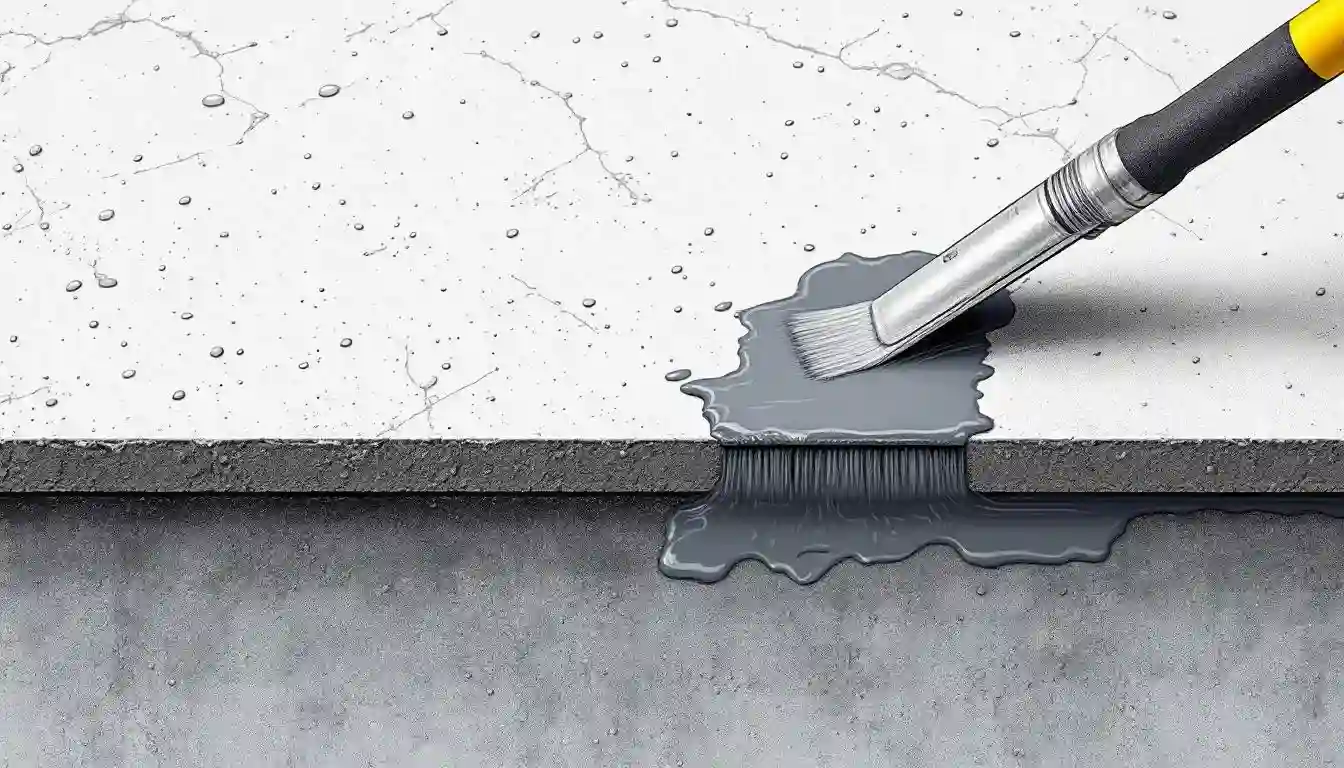
Waterproofing and weatherproofing concrete enhance the durability of structures by preventing moisture infiltration. Proper waterproofing minimizes the risk of water infiltration, which can cause significant structural damage over time. Using waterproof concrete significantly extends the structure’s lifespan and reduces maintenance needs.
Applying sealants and weatherproofing methods effectively protect concrete surfaces from harsh climatic conditions. Exploring the specific methods for applying sealants and weatherproofing concrete provides practical insights.
Applying Sealants
Sealants protect repaired areas from moisture and further damage. They act as a moisture barrier, providing essential protected for repaired areas.
Different types of sealants, like acrylic and epoxy, offer varying levels of moisture protection for concrete surfaces.
Weatherproofing Methods
Weatherproofing techniques safeguard concrete from damage caused by extreme weather conditions. Weather-resistant coatings protect concrete from harsh climatic conditions and reduce maintenance needs over time.
Safety Precautions for Concrete Repairs
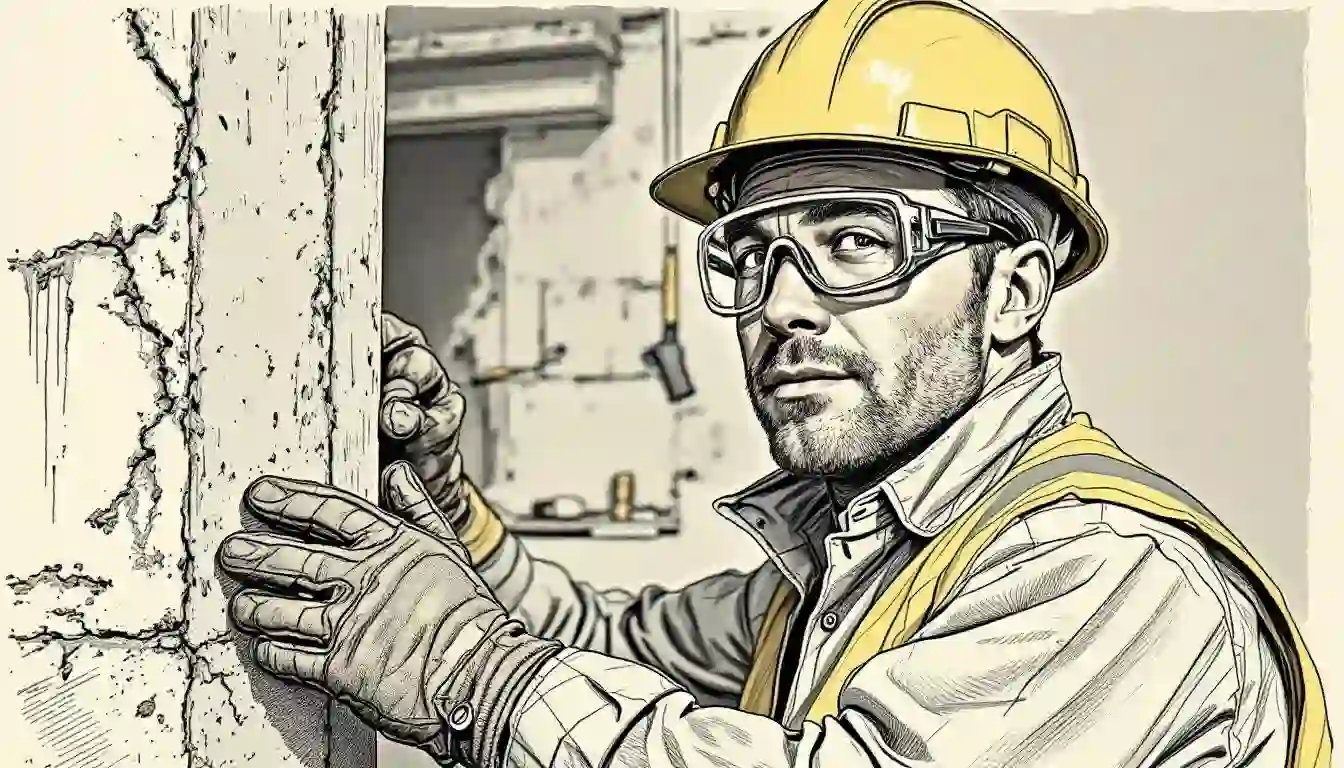
Safety is paramount during concrete repairs to prevent injuries and ensure effective outcomes. Essential safety measures include:
-
Wearing gloves, safety glasses, and masks to protect against dust and chemicals.
-
Safely handling tools and materials.
-
Following instructions carefully to avoid accidents.
Many repair products also allow you to walk on the surface shortly after application, improving convenience and safety.
Adhering to safety protocols enhances personal safety and the effectiveness of the repair. Discussing the necessary protective gear and safe practices provides valuable guidelines for concrete repairs:
-
Use appropriate protective gear such as gloves, safety goggles, and masks.
-
Follow safe handling procedures for tools and materials.
-
Ensure proper ventilation when working with chemicals.
-
Keep the work area clean and free of hazards.
-
Be aware of your surroundings and potential risks during the repair process.
Protective Gear
Essential safety gear includes gloves and safety glasses to protect against dust and hazardous materials. Protective gloves prevent skin irritation from concrete and chemical products used in repairs. Safety glasses shield the eyes from flying debris and hazardous materials during concrete work.
Respirators or masks are recommended to guard against inhaling dust and fumes generated during concrete repairs.
Safe Practices
Following manufacturer instructions and proper handling techniques maintains safety during repairs. Proper ventilation minimizes inhalation of harmful dust and chemicals when working with concrete.
When to Consider Professional Help
Many concrete repairs can be handled as DIY projects, but some situations require professional help. In cases of severe damage, full replacement of the concrete may be necessary to restore structural integrity. Concerns about structural integrity should always prompt expert consultation, as compromised structures can lead to severe safety hazards.
For large-scale damage beyond DIY capabilities, consulting professionals ensures effective assess and resolution.
Structural Integrity Concerns
Signs of major structural problems in concrete include:
-
Floor or wall movement
-
Extensive cracking
-
Improper alignments
-
Visible corrosion of reinforcement bars
Consulting a professional is crucial when damage affects the overall stability of the structure.
Extensive damage, like large cracks or sinking slabs, usually requires professional repair due to the issues’ complexity.
Large-Scale Damage
For large-scale concrete damage, seeking professional help is generally often better than attempting DIY steel repairs.
Professionals are better equipped to handle complex issues like extensive cracks, large areas of chipping, or structural failures requiring specialized knowledge and techniques.
Summary
In summary, effective concrete repair involves identifying common problems, using the right tools and materials, and following proper preparation and repair techniques. Waterproofing and weatherproofing are essential to enhance the durability of concrete structures. Safety precautions are crucial to prevent injuries and ensure effective outcomes.
By understanding these essential tips and techniques, you can ensure your concrete surfaces remain durable, safe, and visually appealing. Whether handling minor repairs yourself or knowing when to call in professionals, this guide equips you with the knowledge needed for successful concrete repairs.
Remember, timely and effective concrete repairs not only maintain the structural integrity of your property but also save you from costly repairs in the future. Take action today to keep your concrete surfaces in top condition. Well-maintained concrete surfaces contribute to a safer, more enjoyable life by reducing hazards and improving property value.
Frequently Asked Questions
How do you repair concrete?
To repair concrete, first clean and prepare the damaged surface by removing loose debris. Apply a suitable patching compound or epoxy filler to the area, ensuring it makes full contact with the existing concrete. Finish by smoothing the surface with a trowel and allowing it to cure completely for maximum durability.
What is the meaning of concrete repair?
Concrete repair is the process of restoring the function and appearance of hardened concrete structures that have been damaged or have deteriorated. It aims to address issues like cracks and chipping to extend the structure’s lifespan and ensure its structural integrity. This process is often a cost-effective alternative to complete replacement.
How do you bond new concrete to old concrete?
To bond new concrete to old, the old surface must be thoroughly cleaned and roughened to create a strong mechanical grip. Applying a dedicated bonding agent or an epoxy primer to the existing concrete just before pouring the new mix is essential for creating a powerful chemical adhesion between the layers.
What are the different types of concrete repair?
The main types of concrete repair include crack filling using epoxy injections or sealants, and patching for spalls and larger voids with specialized mortars. Other methods involve resurfacing with thin overlays to fix widespread surface deterioration or leveling uneven slabs to eliminate trip hazards.
How to repair a damaged concrete step?
To repair a damaged step, remove all loose concrete and clean the area thoroughly. Rebuild broken corners using a form board and apply a high-strength, polymer-modified patching mortar. Shape the repair material to match the step’s original profile and let it cure fully before use.